

What Is Teacher Coaching?
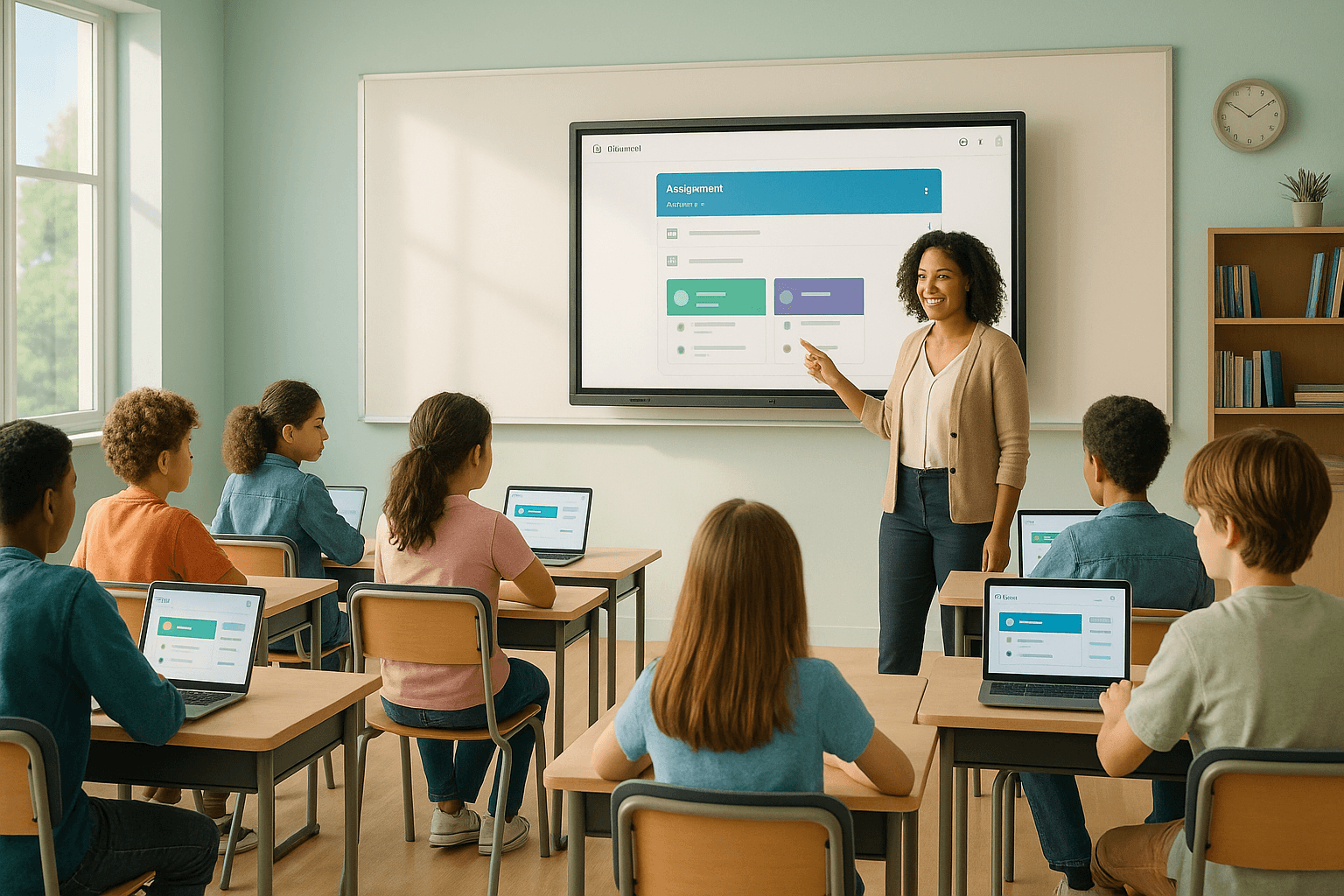
Teacher coaching is a collaborative, ongoing process where an instructional leader works alongside educators to improve teaching practice through observation, feedback, and reflective dialogue. Unlike evaluation, coaching focuses on growth rather than judgment. It creates a partnership where teachers develop specific skills, refine their craft, and ultimately improve student learning outcomes through personalized support and actionable strategies.
Why Effective Teacher Coaching Matters
The quality of instruction directly shapes student achievement more than any other school-based factor. Yet many teachers work in isolation, rarely receiving meaningful feedback on their practice. Effective coaching breaks this isolation and transforms how educators grow professionally.
Research from the Annenberg Institute shows that teachers who receive regular coaching improve their instructional practices significantly faster than those who attend workshops alone. Students in these classrooms demonstrate measurable gains in engagement and academic performance. The impact extends beyond individual teachers, creating a culture where continuous improvement becomes the norm.
When coaching works well, teachers feel supported rather than scrutinized. They develop confidence to try new strategies, reflect honestly on challenges, and build skills that last throughout their careers. This support proves especially critical for early-career teachers, who often struggle without structured guidance during their formative years in the classroom.
Building Trust as the Foundation
Trust determines whether coaching conversations lead to genuine change or polite resistance. Without it, even the most skilled coach cannot help teachers grow.
Establishing trust begins with clarity about purpose. Teachers need to understand that coaching exists to support their development, not to catch mistakes or build evaluation files. Coaches must honor confidentiality, separating coaching conversations from formal reviews whenever possible. This distinction allows teachers to be vulnerable about struggles without fear of professional consequences.
Consistency matters enormously. Coaches who cancel meetings, arrive unprepared, or fail to follow through on commitments erode trust quickly. Teachers notice when leaders prioritize their growth with protected time and genuine attention. Small actions communicate respect: arriving on time, remembering previous conversations, and honoring the complexity of classroom work.
Listening forms the core of trust-building. Effective coaches spend more time asking questions than offering solutions. They seek to understand each teacher's perspective, challenges, and goals before suggesting changes. This approach recognizes teachers as professionals with valuable insights about their students and context.
Key Elements of Effective Coaching Conversations
Strong coaching conversations follow a structure that balances support with accountability while maintaining focus on student learning.
Observation and Evidence Collection
Meaningful feedback requires specific evidence from classroom practice. Coaches observe lessons with clear focus areas, taking detailed notes on what they see and hear. Effective observation goes beyond general impressions to capture concrete examples: the questions a teacher asks, how students respond, the way instructions are delivered, or patterns in student engagement.
The best coaches collect evidence without judgment during observation. They record what happens rather than immediately evaluating quality. This objectivity allows teachers to examine their practice through fresh eyes during debrief conversations.
Reflective Questioning
Questions drive teacher thinking more effectively than directives. Skilled coaches use open-ended questions that prompt reflection: What did you notice about student responses during that activity? What might explain why some students struggled with the concept? How did that lesson compare to what you planned?
These questions help teachers analyze their own practice rather than simply receiving feedback. The process builds analytical skills that teachers apply independently, long after the coaching conversation ends. Reflection transforms experience into learning.
Goal Setting and Action Planning
Effective coaching conversations conclude with clear, manageable next steps. Goals work best when teachers help create them, ensuring ownership and relevance. Specific goals outperform vague aspirations: "Ask three follow-up questions during tomorrow's discussion" provides clearer direction than "improve questioning techniques."
Action plans should identify exactly what the teacher will try, when they will try it, and how both coach and teacher will know if it worked. This specificity creates accountability while keeping the focus manageable. Attempting too many changes simultaneously overwhelms teachers and dilutes impact.
Coaching Models That Work
Different coaching approaches serve different purposes and contexts. Understanding various models helps leaders choose strategies that match their teachers' needs.
Instructional Coaching
Instructional coaching focuses specifically on improving teaching practices that directly affect student learning. Coaches work with teachers on lesson design, classroom management, questioning strategies, or content-specific pedagogy. This model typically involves a cycle of planning, observation, and reflection that repeats over time.
Jim Knight's instructional coaching framework emphasizes partnership principles: equality, choice, voice, dialogue, reflection, praxis, and reciprocity. Coaches and teachers collaborate as equals, with teachers maintaining choice about what to improve and how to approach growth. This model has shown strong results across diverse school contexts.
Cognitive Coaching
Cognitive coaching develops teachers' thinking processes and self-directed learning capacity. Rather than focusing on specific teaching techniques, cognitive coaches help teachers become more reflective, analytical, and autonomous. The approach uses carefully crafted questions to support teacher planning, reflection, and problem-solving.
This model proves particularly valuable for experienced teachers who need less technical guidance but benefit from structured reflection. It builds internal capacity for continuous improvement without external direction.
Peer Coaching
Peer coaching creates structures for teachers to support one another's growth. Teachers observe colleagues, share strategies, and provide feedback within a framework of mutual respect. This approach distributes coaching responsibilities beyond formal leaders and builds collaborative culture.
Successful peer coaching requires training, clear protocols, and protected time. Without structure, peer observations can become superficial or uncomfortable. When implemented well, peer coaching creates powerful professional learning communities where teachers learn from one another's strengths.
Common Coaching Challenges and Solutions
Even skilled coaches encounter obstacles that complicate their work. Recognizing common challenges helps leaders develop strategies to address them.
Time Constraints
Finding time for coaching in already-packed schedules challenges every school leader. Teachers have limited planning periods, and coaches juggle multiple responsibilities. Yet rushed coaching conversations produce minimal impact.
Solutions require creative scheduling and priority-setting. Some schools build coaching time into master schedules, protecting specific periods for observations and debriefs. Others use substitute teachers to create longer blocks for intensive coaching cycles. The key involves treating coaching as essential rather than optional, allocating resources accordingly.
Resistance to Feedback
Some teachers resist coaching, viewing it as criticism or unnecessary interference. This resistance often stems from past negative experiences, fear of judgment, or genuine disagreement about suggested changes.
Addressing resistance requires patience and relationship-building. Coaches should start with teacher-identified goals rather than imposed priorities. Demonstrating respect for teacher expertise and acknowledging the complexity of classroom work helps lower defenses. Sometimes resistance signals that coaching approaches need adjustment rather than indicating teacher deficiency.
Balancing Support and Accountability
Coaches often struggle to maintain supportive relationships while holding teachers accountable for improvement. Too much support without accountability allows ineffective practices to continue. Too much pressure without support creates anxiety and resentment.
The balance comes through clear expectations combined with genuine help meeting them. Coaches should be honest about areas needing improvement while providing specific strategies and resources. Following through on commitments demonstrates that accountability runs both directions.
Coaching for Different Career Stages
Teachers at different career stages need different types of support. Effective coaches adjust their approach based on experience level and individual needs.
New Teachers
Beginning teachers often need frequent, structured support focused on fundamental skills. Classroom management, lesson pacing, and student engagement typically require immediate attention. New teachers benefit from clear models, step-by-step guidance, and frequent check-ins.
Coaches should balance honesty about areas needing improvement with encouragement about strengths. New teachers can feel overwhelmed by too much feedback at once. Prioritizing the most critical issues helps them develop competence without becoming discouraged.
Experienced Teachers
Veteran teachers bring deep knowledge but can fall into comfortable routines that may not serve all students well. Coaching experienced teachers requires acknowledging their expertise while encouraging continued growth and innovation.
These teachers often respond well to cognitive coaching approaches that honor their professional judgment. Introducing research on new instructional strategies, facilitating peer observations, or exploring student data can spark renewed engagement with improvement.
Teacher Leaders
Teachers who take on leadership roles need coaching that develops their capacity to support colleagues. This coaching focuses on facilitation skills, giving effective feedback, and navigating the complex dynamics of leading peers.
Coaches working with teacher leaders should model the practices they want these emerging leaders to use. Making thinking visible about coaching decisions helps teacher leaders develop their own coaching skills.
Using Data to Inform Coaching
Evidence-based coaching relies on multiple data sources to identify focus areas and measure progress. Data grounds coaching conversations in objective information rather than subjective impressions.
Student achievement data reveals patterns that might indicate instructional gaps. If many students struggle with specific concepts, coaching can address how those concepts are taught. Student work samples provide concrete evidence of learning and can highlight where instruction succeeds or needs adjustment.
Observation data captures what actually happens during instruction. Video recording allows teachers to see their own practice, often revealing patterns they don't notice in the moment. Student voice data through surveys or interviews offers perspectives on what helps them learn.
The key involves using data as a conversation starter rather than a weapon. Coaches should explore data collaboratively with teachers, asking what they notice and what might explain the patterns. This approach builds teacher capacity to use data independently for instructional decisions.
Creating a Coaching Culture
Individual coaching conversations matter most when they exist within a broader culture that values growth and collaboration.
School leaders create coaching cultures by modeling openness to feedback themselves. When principals seek coaching on their own leadership practice, they signal that growth applies to everyone. Making coaching visible through shared learning experiences normalizes the process.
Structures matter too. Regular time for coaching, clear processes, and shared language around instructional improvement help coaching become routine rather than exceptional. Celebrating teacher growth publicly reinforces that development is valued and recognized.
A coaching culture shifts the fundamental question from "Are you a good teacher?" to "How are you growing as a teacher?" This reframing removes the ceiling on excellence and creates space for continuous learning at every career stage.
Developing Your Coaching Skills
Becoming an effective coach requires ongoing learning and practice. Natural teaching ability doesn't automatically translate to coaching skill.
Strong coaches develop deep listening skills, learning to hear what teachers mean beyond their words. They practice asking open-ended questions that promote thinking rather than leading to predetermined answers. They study adult learning theory to understand how teachers develop new practices.
Seeking feedback on coaching practice accelerates growth. Recording coaching conversations and reviewing them reveals patterns in questioning, wait time, and balance between talking and listening. Working with a coach on your own coaching practice provides valuable outside perspective.
Reading current research on effective instruction keeps coaches informed about evidence-based practices. Understanding what works and why helps coaches guide teachers toward high-impact strategies rather than trendy but ineffective approaches.
Measuring Coaching Impact
Accountability for coaching requires examining whether it actually improves teaching and learning. Good intentions don't guarantee positive outcomes.
Short-term indicators include changes in teacher practice aligned with coaching goals. Do teachers implement the strategies discussed? Do they demonstrate increased reflection and analysis of their work? These process measures show whether coaching influences teacher behavior.
Longer-term measures examine student outcomes. Do students in coached teachers' classrooms show improved achievement, engagement, or other relevant indicators? While many factors affect student learning, patterns across multiple coached teachers can reveal coaching impact.
Teacher perception data also matters. Do teachers find coaching valuable? Do they feel supported in their growth? High-quality coaching should result in teachers seeking more support rather than avoiding it.
Regular reflection on these measures helps coaches and school leaders refine their approach. Coaching systems should evolve based on evidence of what works in a particular context with specific teachers.
Moving Forward With Teacher Coaching
Effective teacher coaching represents one of the highest-leverage activities school leaders can undertake. The investment of time and energy yields returns through improved instruction that benefits students for years to come.
Starting small often works better than attempting comprehensive coaching systems immediately. Begin with willing teachers, establish effective practices, and expand gradually as capacity grows. Building coaching skills takes time, and early successes create momentum for broader implementation.
Remember that coaching serves learning, not compliance. The goal involves helping teachers become more effective, thoughtful, and autonomous professionals. When coaching achieves this purpose, everyone benefits: teachers grow in their craft, students receive better instruction, and schools become places where continuous improvement feels natural and achievable.