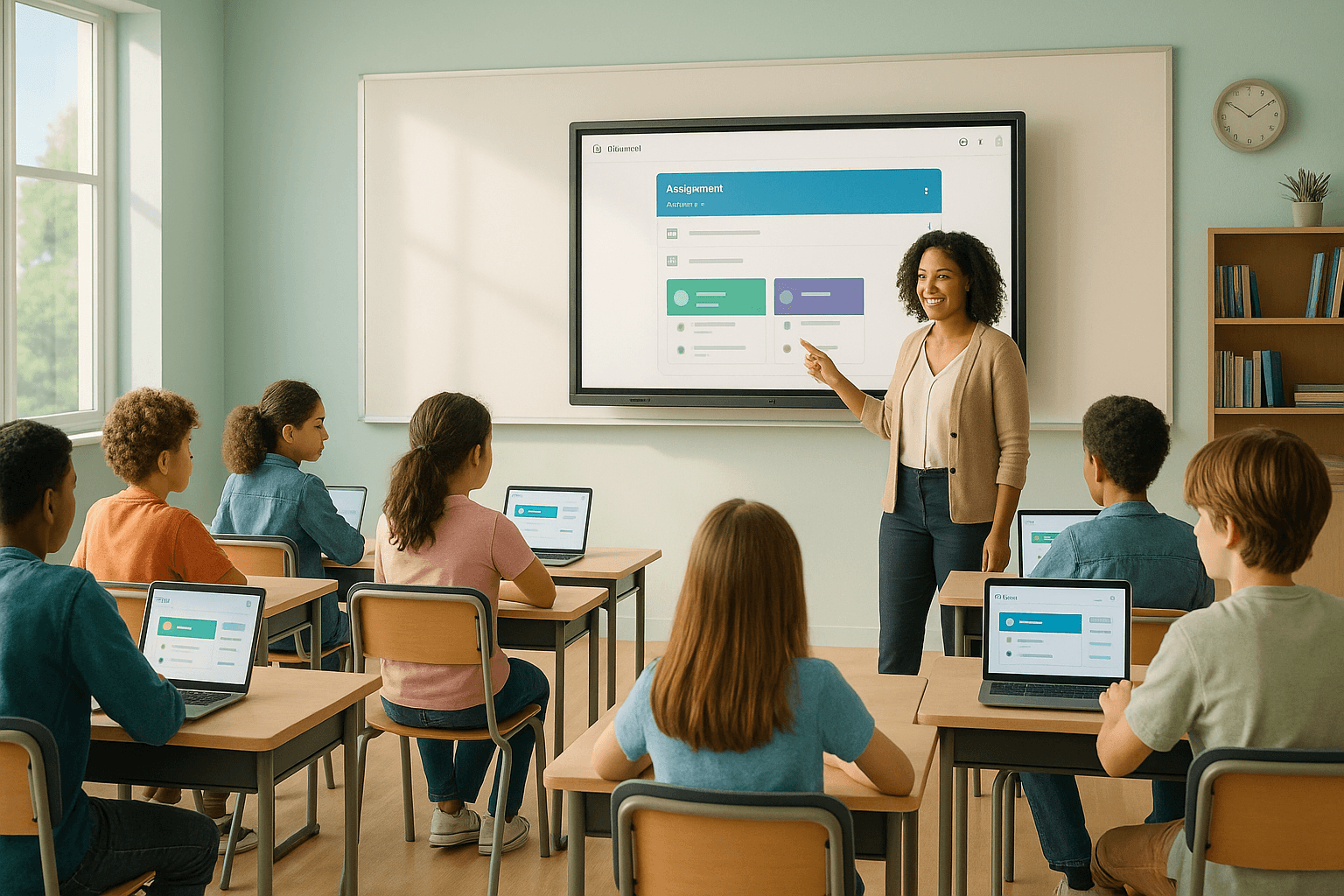



What Is Parent Engagement?
Parent engagement refers to the active, ongoing participation of families in their children's education through meaningful communication, collaboration, and shared decision-making with schools. It goes beyond attendance at school events to include genuine partnerships where parents and educators work together to support student learning and development. Effective parent engagement creates a bridge between home and school that strengthens academic outcomes, improves student behavior, and builds stronger school communities.
Why Parent Involvement Matters More Than Ever
Research consistently shows that increasing parent involvement leads to measurable improvements in student achievement. When families engage with schools, students earn higher grades, attend school more regularly, and demonstrate better social skills. Yet many school leaders struggle to move beyond surface-level participation toward authentic partnership.
The challenge isn't that parents don't care. Most families deeply value education but face real barriers including work schedules, language differences, past negative school experiences, or uncertainty about how to help. School leaders who recognize these obstacles can design parent engagement strategies that meet families where they are.
Joyce Epstein's framework on family-school partnerships identifies six types of involvement: parenting support, communication, volunteering, learning at home, decision-making, and community collaboration. Schools that address multiple types create more entry points for diverse families to participate meaningfully.
Building Effective School Parent Communication Systems
Strong communication forms the foundation of every successful parent engagement initiative. Without clear, consistent information flow, families cannot participate fully in their children's education.
Create Multiple Communication Channels
Different families access information in different ways. Some prefer email while others respond better to text messages or phone calls. Offering multiple communication options ensures you reach more families effectively.
Consider establishing weekly newsletters, a user-friendly school website, social media updates, and a messaging app that translates into multiple languages. The key is consistency across all platforms so families receive the same core information regardless of their preferred channel.
Make Communication Two-Way
Parent engagement suffers when schools only broadcast information without creating space for family input. Two-way communication invites dialogue, questions, and feedback that help educators understand family perspectives and needs.
Implement regular surveys asking families about their experiences and priorities. Host informal coffee conversations where parents can share concerns in a relaxed setting. Respond promptly when families reach out, even if you cannot immediately solve their problem.
Communicate Proactively, Not Just During Problems
Many parents only hear from school when something goes wrong. This pattern creates anxiety and damages trust over time. Instead, reach out regularly with positive updates about student progress, classroom activities, and upcoming opportunities.
Teachers who make five positive contacts for every challenging conversation build stronger relationships with families. These positive touchpoints create goodwill that makes difficult conversations more productive when they become necessary.
Practical Parent Engagement Strategies for School Leaders
Moving from theory to practice requires intentional strategies that address real barriers families face.
Redesign Family Events for Accessibility
Traditional parent nights often occur during work hours or require childcare that many families cannot arrange. Rethink the timing, format, and purpose of school events to maximize participation.
Offer morning and evening options for the same event. Provide childcare, meals, and transportation when possible. Make events interactive rather than lecture-based so families experience their children's learning firsthand. Consider virtual attendance options for families who cannot come in person.
Establish Family Resource Centers
Designate a welcoming physical space where families can access resources, connect with other parents, and receive support. This space signals that families belong in the school building beyond scheduled conferences.
Stock the center with information about community services, parenting resources, and learning activities families can do at home. Train staff or parent volunteers to welcome families and help them navigate school systems. Some schools offer English language classes, computer access, or workshops on topics families request.
Create Structured Volunteer Opportunities
Many parents want to help but don't know how. Others have limited time or feel their skills don't match school needs. Develop a range of volunteer options with clear descriptions and flexible time commitments.
Some families can volunteer during school hours while others prefer take-home projects. Some bring professional expertise for career days while others simply want to support field trips. Match opportunities to family interests and availability rather than expecting everyone to fit the same mold.
Build Parent Leadership Pathways
Moving beyond volunteering, some families want meaningful roles in school decision-making. Create structures that give parents genuine influence over policies and practices that affect their children.
Parent advisory councils work best when they address real issues and see their recommendations implemented. Invite parent representatives to serve on hiring committees, curriculum review teams, or school improvement planning groups. Provide training so parents feel prepared to contribute effectively in these roles.
Strengthening Parent Teacher Collaboration
The relationship between individual teachers and families profoundly shapes parent engagement at the classroom level.
Start the Year With Relationship Building
Teachers who invest time in knowing families early create partnerships that benefit students all year. Before school starts, reach out to introduce yourself and learn about each child from their family's perspective.
Ask open-ended questions about student strengths, interests, learning preferences, and family goals. Share your teaching philosophy and communication preferences. This initial conversation establishes mutual respect and shared commitment to the child's success.
Share Learning Goals and Progress Transparently
Families cannot support learning at home when they don't understand what their children should be learning. Make curriculum goals accessible and provide regular updates on student progress toward those goals.
Translate education jargon into plain language. Instead of saying students will "analyze author's craft," explain that they're learning to notice how writers choose words to create certain effects. Share specific examples of student work with context about what it demonstrates.
Invite Family Expertise Into the Classroom
Every family brings knowledge, skills, and cultural perspectives that can enrich classroom learning. Parent teacher collaboration deepens when educators genuinely value what families contribute.
Invite parents to share their careers, hobbies, cultural traditions, or life experiences that connect to curriculum topics. Ask families to contribute to classroom libraries with books in home languages. Incorporate family stories and community knowledge into lessons so students see their lives reflected in academic content.
What Works: Evidence-Based Approaches to Increasing Parent Involvement
Decades of research reveal which parent engagement strategies produce the strongest results.
Focus on Learning at Home
The most powerful form of parent involvement happens at home through everyday conversations and activities that support learning. Schools that help families understand how to engage children academically at home see the greatest impact on achievement.
Provide specific, practical suggestions for learning activities tied to current classroom content. Send home conversation starters, simple experiments, or reading strategies families can use. Make these suggestions doable within normal family routines rather than requiring extra time parents may not have.
Address Equity Intentionally
Parent engagement often reflects and reinforces existing inequities when schools unconsciously design strategies that work best for already-privileged families. Intentionally design inclusive approaches that reach families across income levels, languages, and cultural backgrounds.
Provide translation and interpretation services for all major communications and events. Schedule events at times when working families can attend. Offer participation options that don't require transportation to school. Train staff to recognize and interrupt biases about which families care about education.
Build on Family Strengths
Deficit-based approaches that focus on what families lack or do wrong undermine engagement. Asset-based strategies that recognize and build on family strengths create authentic partnerships.
Every family has resources, knowledge, and aspirations for their children. Start conversations by asking about family goals and values. Look for ways families already support learning even if those methods differ from school approaches. Position families as experts on their own children rather than assuming educators know best.
What to Be Careful About: Common Pitfalls in Parent Engagement
Even well-intentioned parent engagement efforts can backfire without careful attention to potential problems.
Avoid One-Size-Fits-All Expectations
Schools sometimes define parent involvement narrowly, then judge families who cannot or do not participate in predetermined ways. This approach excludes many families and damages relationships.
Recognize that families engage differently based on work schedules, cultural norms, language, past experiences, and other factors. A parent who cannot attend school events but ensures homework completion and maintains regular routines is engaged. Value diverse forms of involvement rather than privileging only the most visible types.
Don't Mistake Compliance for Partnership
Some parent engagement initiatives focus on getting families to support school goals without genuinely inviting family input into those goals. This compliance-oriented approach treats parents as helpers rather than partners.
True partnership involves shared decision-making where families have real influence. Schools must be willing to change practices based on family feedback, not just seek parent support for predetermined plans. Ask families what they need from school, not just what school needs from them.
Watch for Unconscious Bias
Research shows that educators often perceive parent involvement differently based on family race, class, and language. Teachers may interpret the same behavior as engaged when performed by privileged families but disengaged when performed by marginalized families.
A middle-class parent who questions a grade might be seen as appropriately advocating while a low-income parent asking the same question might be viewed as difficult. Regularly examine whether engagement strategies and perceptions reflect bias. Collect data on which families participate in different activities and investigate patterns of exclusion.
Respect Professional Boundaries
While building relationships with families, educators must maintain appropriate professional boundaries. Becoming too personally involved with family situations can lead to burnout and ethical complications.
Connect families to community resources rather than trying to solve all problems yourself. Know when to involve counselors, social workers, or administrators. Document important conversations and decisions. Balance warmth and accessibility with professional distance that protects both you and families.
Measuring Parent Engagement Effectively
School leaders need meaningful data to understand whether engagement strategies work and where improvement is needed.
Look Beyond Event Attendance
Many schools measure parent involvement by counting attendees at school events. This metric captures only one narrow type of engagement and often reflects family privilege more than actual involvement in student learning.
Develop multiple indicators including parent-teacher communication frequency, family participation in learning at home, parent representation in decision-making roles, and family satisfaction with school communication. Survey families about barriers they face and support they need.
Disaggregate Data by Student Groups
Overall engagement numbers can mask significant disparities. Break down participation data by race, language, income, and other demographic factors to identify which families your strategies reach and which remain excluded.
If certain groups participate less, investigate why. Talk directly with families from underrepresented groups about what would help them engage more fully. Adjust strategies based on what you learn rather than assuming all families face the same barriers.
Connect Engagement to Student Outcomes
Ultimately, parent engagement matters because it supports student success. Examine whether increased family involvement correlates with improved student attendance, behavior, and achievement.
Look for patterns at both school and classroom levels. Which engagement strategies seem to produce the strongest student benefits? Do certain types of involvement matter more than others? Use this information to refine your approach over time.
Building Sustainable Parent Engagement Systems
Isolated events or individual teacher efforts cannot create lasting parent engagement. Sustainable change requires systemic approaches.
Embed Engagement in School Culture
When parent engagement becomes "someone's job" rather than everyone's responsibility, it remains peripheral to core school functions. Make family partnership a clear expectation for all staff members.
Include parent engagement in teacher evaluations and professional development. Celebrate staff members who build strong family relationships. Allocate resources including time, space, and funding to support engagement work. Make family partnership visible in school mission statements and improvement plans.
Provide Professional Learning
Many educators receive little training in working effectively with families. Offer ongoing professional development that builds skills in cultural competence, family communication, and partnership development.
Help staff examine their own assumptions about families and recognize how bias affects their interactions. Teach specific strategies for difficult conversations, conflict resolution, and collaborative problem-solving. Share research on what works and provide time for staff to plan engagement approaches together.
Partner With Community Organizations
Schools cannot meet all family needs alone. Build relationships with community organizations that provide services families need including health care, housing support, food assistance, and adult education.
Create referral systems so families can easily access help. Invite community partners to offer services at school. Coordinate efforts so families receive consistent messages and support across settings. These partnerships extend your capacity to support whole families, not just students during school hours.
Moving Forward With Parent Engagement
Strengthening parent engagement requires sustained commitment, not quick fixes. Start by examining your current practices through an equity lens. Which families do your strategies reach? Who remains excluded? What barriers prevent full participation?
Talk with families directly about their experiences and needs. Their insights will reveal opportunities you might not see from inside the school system. Be willing to change practices that don't work even if they represent long-standing traditions.
Remember that building authentic partnerships takes time. Trust develops through consistent, positive interactions over months and years. Small steps toward more inclusive, respectful engagement compound into significant culture change.
The goal isn't perfect parent involvement from every family. It's creating multiple pathways for diverse families to participate meaningfully in ways that work for them. When schools genuinely welcome families as partners, everyone benefits, especially students.