

What is Schema in Psychology?
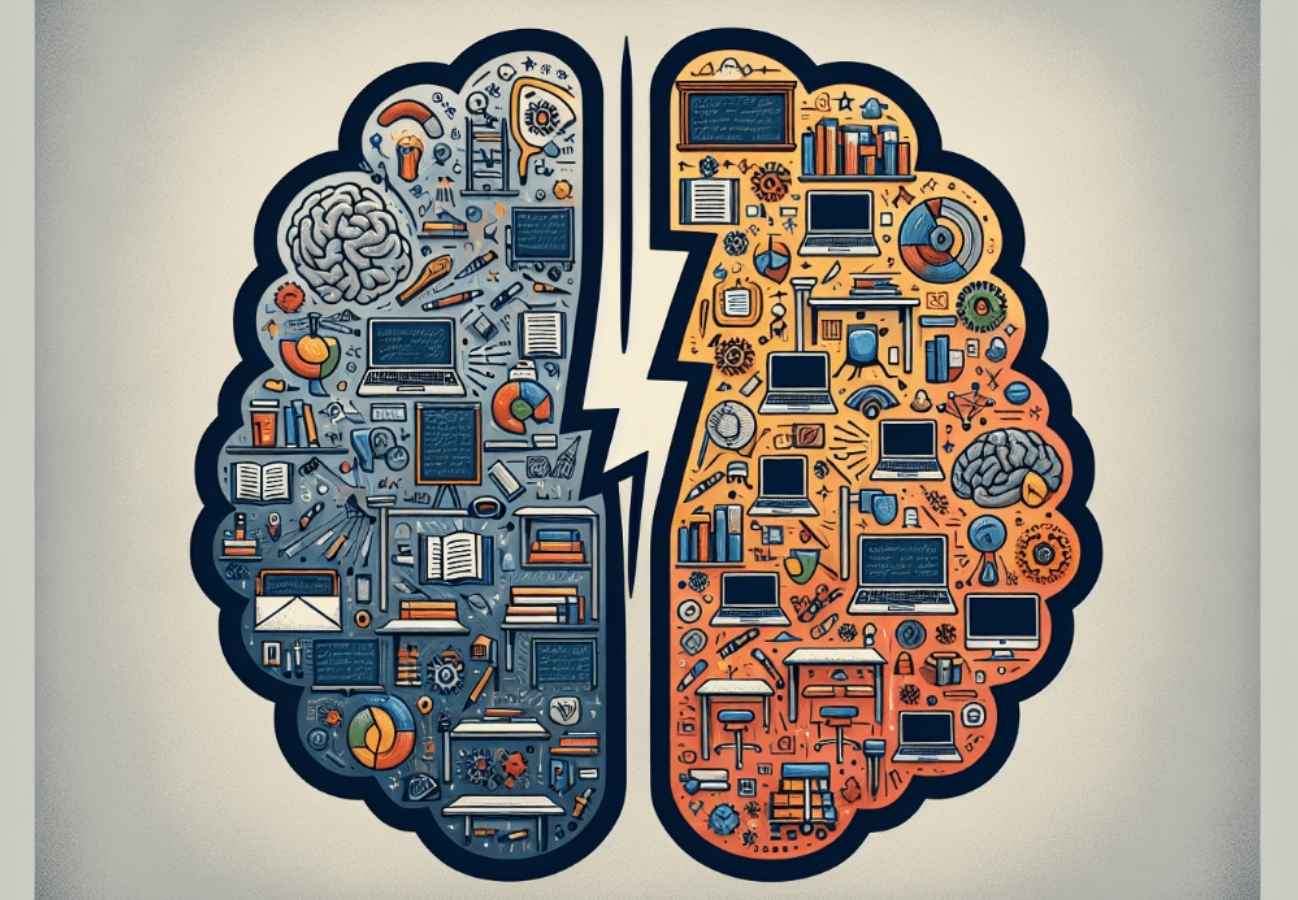
Schema in psychology represents the mental frameworks that help us organize and interpret information about the world around us. These cognitive structures act like filing systems in our minds, allowing us to categorize new experiences and connect them to existing knowledge. Schemas shape how students process information, form memories, and make sense of complex concepts across all subject areas.
Every student enters your classroom with thousands of schemas already formed through personal experiences, cultural background, and previous learning. When a third-grader encounters the word "family," their schema might include parents, siblings, pets, and shared meals. This mental framework influences how they understand new information about family structures in social studies or family dynamics in literature.
Understanding schemas transforms how educators approach lesson planning and student assessment. Rather than viewing learning as simply adding new facts, we recognize that students actively construct meaning by connecting new information to their existing mental frameworks.
How Schemas Develop in the Learning Process
Schemas evolve through two fundamental processes that directly impact classroom learning. Assimilation occurs when students incorporate new information into existing schemas without changing the underlying structure. Accommodation happens when new information challenges existing schemas, forcing students to modify or create entirely new mental frameworks.
Assimilation in Action
Consider a student who has developed a schema for "birds" that includes flying, feathers, and nests. When they learn about robins or eagles, they easily assimilate this information into their existing bird schema. The learning feels natural and builds confidence as new knowledge fits comfortably within established mental structures.
Accommodation Challenges and Opportunities
Accommodation creates more dramatic learning moments but also potential confusion. When the same student discovers that penguins are birds that cannot fly, their bird schema must accommodate this conflicting information. This process requires more cognitive effort but leads to deeper, more flexible understanding.
Skilled educators recognize these moments of cognitive dissonance as prime learning opportunities. Rather than rushing past student confusion, they create space for schema modification through guided questioning and collaborative exploration.
Schema Theory Applications in K-12 Education
Schema theory revolutionizes instructional design by prioritizing students' prior knowledge and mental frameworks. Effective teachers become schema detectives, uncovering what students already know before introducing new concepts.
Pre-Assessment and Schema Activation
Begin lessons by activating relevant schemas through strategic questioning or brief activities. A high school history teacher might ask students to share what they know about conflict resolution before studying diplomatic negotiations. This approach reveals existing mental frameworks and helps students connect new historical content to familiar concepts.
Graphic organizers serve as powerful schema activation tools. Mind maps, concept webs, and comparison charts make invisible mental structures visible, helping both teachers and students understand existing knowledge foundations.
Building Bridges Between Schemas
Students often possess relevant schemas but struggle to connect them to new learning contexts. A student might understand fairness on the playground but fail to recognize similar principles in mathematical problem-solving or scientific experimentation.
Explicit schema bridging helps students transfer knowledge across domains. Use analogies, metaphors, and real-world connections to help students recognize how existing schemas apply to new situations.
Practical Schema-Based Teaching Strategies
Transform your classroom practice with these evidence-based approaches that honor student schemas while promoting growth and accommodation.
The Schema Interview Technique
Conduct brief, informal interviews to understand individual student schemas before major units. Ask open-ended questions like "What comes to mind when you hear the word 'ecosystem'?" or "Tell me about a time you solved a difficult problem." These conversations reveal misconceptions, cultural perspectives, and knowledge gaps that inform instructional decisions.
Schema Mapping Activities
Create collaborative schema maps where students contribute their existing knowledge about upcoming topics. Display these visual representations prominently and return to them throughout the unit, adding new information and revising misconceptions together.
This approach validates student knowledge while creating shared reference points for new learning. Students see their contributions valued and recognize how their understanding evolves over time.
Misconception as Learning Opportunity
Reframe misconceptions as natural parts of schema development rather than problems to eliminate quickly. When students hold inaccurate schemas, create safe opportunities for cognitive conflict through hands-on experiences, peer discussion, and guided discovery.
A science teacher might have students predict what happens when objects of different weights are dropped simultaneously. The surprise of seeing them land together creates the cognitive dissonance necessary for schema accommodation.
Cultural Schemas and Inclusive Education
Every student brings culturally influenced schemas that shape their learning experiences. Recognizing and honoring these diverse mental frameworks creates more inclusive and effective educational environments.
Validating Diverse Knowledge Systems
Students from different cultural backgrounds may have schemas that differ from mainstream academic expectations. A student whose family emphasizes collective decision-making might initially struggle with individual problem-solving tasks, not due to lack of ability but due to different mental frameworks about how problems should be approached.
Effective educators learn about their students' cultural schemas and create opportunities for multiple approaches to demonstrate understanding. This might involve incorporating collaborative problem-solving alongside individual assessment or recognizing oral traditions alongside written expression.
Schema Conflicts and Resolution
When home schemas conflict with school expectations, students may experience cognitive and emotional stress. Rather than requiring students to abandon family-based mental frameworks, skilled teachers help students develop multiple schemas that can be applied in different contexts.
This approach respects student identity while building academic success. Students learn that different situations may call for different mental frameworks without invalidating their cultural knowledge systems.
Schema Development Across Subject Areas
Each academic discipline involves unique schemas that students must develop and refine throughout their educational journey.
Mathematical Schemas
Mathematical thinking requires students to develop schemas for number relationships, problem-solving processes, and abstract concepts. Early elementary students build counting schemas that later accommodate place value understanding and eventually support algebraic thinking.
Teachers can support mathematical schema development by using manipulatives, visual representations, and real-world applications that help students build robust mental frameworks for mathematical concepts.
Reading and Language Arts Schemas
Reading comprehension depends heavily on schema activation and development. Students use existing knowledge about story structures, character motivations, and real-world experiences to make meaning from texts.
Building background knowledge becomes crucial for reading success, particularly for students whose life experiences differ from those assumed by curriculum materials. Pre-reading activities that activate and build relevant schemas significantly improve comprehension outcomes.
Scientific Schemas
Science education involves helping students develop increasingly sophisticated schemas about natural phenomena, scientific processes, and evidence-based reasoning. Young students might begin with simple cause-and-effect schemas that gradually accommodate more complex understanding of systems, variables, and scientific methodology.
Assessment Through a Schema Lens
Traditional assessment often fails to reveal student schema development, focusing instead on isolated facts or procedures. Schema-informed assessment provides richer information about student understanding and learning needs.
Formative Assessment Strategies
Use concept mapping, think-alouds, and explanation tasks to understand how students organize and connect information within their mental frameworks. These approaches reveal not just what students know but how they structure their knowledge.
Exit tickets that ask students to connect new learning to previous experiences provide insight into schema integration. Questions like "How does today's lesson change your thinking about...?" reveal accommodation processes in action.
Summative Assessment Considerations
Design summative assessments that allow students to demonstrate schema development rather than mere memorization. Performance tasks, portfolios, and project-based assessments better capture the complex ways students organize and apply their knowledge.
Consider providing multiple ways for students to show their understanding, recognizing that different cultural and individual schemas may lead to varied but equally valid demonstrations of learning.
Supporting Schema Development in Struggling Learners
Students who struggle academically often have gaps in foundational schemas or difficulty connecting new information to existing mental frameworks. Targeted schema support can dramatically improve learning outcomes.
Building Missing Schema Components
Some students lack the background knowledge schemas that curriculum assumes. Rather than moving forward with content delivery, invest time in building these foundational mental frameworks through direct instruction, multimedia resources, and experiential learning.
A middle school student struggling with fractions might need to strengthen their schemas about part-whole relationships through concrete experiences before tackling abstract fraction operations.
Schema Organization Support
Other students possess relevant knowledge but struggle to organize it into coherent schemas. Graphic organizers, structured note-taking systems, and explicit instruction in knowledge organization can help these students develop more effective mental frameworks.
Teaching students metacognitive strategies for schema monitoring helps them become more aware of their own thinking processes and more strategic in connecting new learning to existing knowledge.
Technology and Schema Development
Digital tools offer new possibilities for supporting schema development and making mental frameworks visible to both teachers and students.
Digital Concept Mapping
Online concept mapping tools allow students to create, share, and revise their mental frameworks collaboratively. These platforms make schema development visible and enable teachers to provide targeted feedback on knowledge organization.
Adaptive Learning Systems
Well-designed educational technology can assess student schemas and provide personalized learning pathways that build on existing mental frameworks while addressing gaps and misconceptions.
However, technology should supplement rather than replace the human insight needed to understand and support student schema development. The most effective approaches combine digital tools with thoughtful teacher guidance.
Future Directions in Schema-Based Education
As our understanding of schema development deepens, new opportunities emerge for creating more effective and inclusive educational experiences.
Research in cognitive science continues to reveal how schemas form, change, and influence learning across different populations and contexts. This growing knowledge base informs more sophisticated approaches to curriculum design, instructional strategies, and assessment practices.
The integration of schema theory with other learning frameworks, such as culturally responsive pedagogy and universal design for learning, promises even more powerful approaches to supporting all students' academic success.
By understanding and honoring the mental frameworks students bring to learning, educators can create more meaningful, effective, and inclusive educational experiences that build on human dignity and respect for diverse ways of knowing.