


What Is Curriculum Development?
Curriculum development is the intentional process of designing, organizing, and refining what students learn and how they learn it. It involves selecting content, determining learning outcomes, choosing instructional methods, and creating assessment strategies that align with educational goals. This systematic approach ensures that teaching and learning experiences are coherent, purposeful, and responsive to student needs.
At its core, curriculum development answers three fundamental questions: What should students know? How will they learn it? How will we know they learned it? These questions guide educators through decisions that shape classroom experiences and ultimately determine educational quality.
Why Curriculum Development Matters for Student Success
Strong curriculum development directly influences student achievement and engagement. When educators thoughtfully design learning experiences, students encounter content that builds logically, connects meaningfully, and prepares them for future challenges.
Research consistently shows that coherent curriculum design improves learning outcomes. Students benefit when content progresses systematically, skills develop cumulatively, and assessments align with instructional goals. Without intentional curriculum development, learning becomes fragmented and students miss critical connections between concepts.
Effective curriculum development also addresses equity. Thoughtful design ensures all students access rigorous content regardless of background. It creates opportunities for diverse learners to engage with material in ways that honor their experiences while building new knowledge.
Core Components of Effective Curriculum Design
Understanding the essential elements helps educators build stronger learning experiences. Each component plays a distinct role in creating coherent educational programs.
Learning Objectives and Standards Alignment
Clear learning objectives define what students should accomplish. These objectives connect to broader standards while remaining specific enough to guide daily instruction. Well-written objectives use measurable language and focus on student actions rather than teacher activities.
Standards alignment ensures curriculum meets external expectations while maintaining local relevance. Educators balance state requirements with community needs, creating programs that satisfy both accountability measures and authentic learning goals.
Content Selection and Scope
Choosing what to teach requires careful consideration of essential knowledge and skills. Educators determine which content deserves emphasis and which topics support deeper understanding. This process involves identifying big ideas that organize learning and provide conceptual anchors.
Scope decisions define breadth and depth. Too much content creates superficial coverage, while too little leaves gaps. Effective curriculum development prioritizes depth over breadth, allowing students to develop genuine understanding rather than surface familiarity.
Instructional Strategies and Learning Activities
How students engage with content matters as much as what they learn. Curriculum development includes selecting teaching methods that match learning goals and student needs. This means varying approaches to accommodate different learning styles and preferences.
Strong curriculum design incorporates active learning opportunities. Students construct knowledge through inquiry, collaboration, and problem-solving rather than passive reception. Activities should challenge thinking while remaining accessible and appropriately scaffolded.
Assessment and Evaluation Methods
Assessment strategies reveal whether students achieve intended outcomes. Curriculum development integrates multiple assessment types, including formative checks that guide instruction and summative evaluations that measure overall achievement.
Effective assessment aligns directly with learning objectives. Students demonstrate understanding through varied formats that honor different strengths. Assessment data informs curriculum revision, creating cycles of continuous improvement.
Different Curriculum Development Models and Approaches
Various frameworks guide curriculum development, each offering distinct advantages. Understanding these models helps educators choose approaches that fit their contexts.
Tyler's Rational Model
Ralph Tyler's model emphasizes systematic planning through four key questions. This linear approach begins with defining objectives, then selects learning experiences, organizes content, and finally evaluates outcomes. Tyler's framework remains influential because it provides clear structure and logical progression.
This model works well in traditional settings where curriculum follows predictable sequences. However, critics note it may oversimplify complex learning processes and limit flexibility for emergent opportunities.
Backward Design Framework
Grant Wiggins and Jay McTighe developed backward design to ensure alignment between goals and instruction. This approach starts with desired outcomes, then determines acceptable evidence, and finally plans learning experiences. Beginning with the end in mind prevents activity-focused planning that loses sight of learning goals.
Backward design encourages educators to think deeply about what understanding looks like. This framework particularly supports transfer of learning and helps students apply knowledge in new contexts.
Standards-Based Curriculum Development
Standards-based approaches use external benchmarks as curriculum foundations. Educators unpack standards to identify essential knowledge and skills, then build learning experiences that help students meet these expectations. This model ensures accountability and consistency across classrooms and schools.
While standards provide helpful structure, effective implementation requires balancing compliance with creativity. The best standards-based curriculum maintains rigor while allowing teacher autonomy and student voice.
Constructivist and Student-Centered Approaches
Constructivist curriculum development prioritizes active knowledge construction over passive reception. These approaches position students as meaning-makers who build understanding through experience and reflection. Content emerges partly from student interests and questions rather than predetermined sequences alone.
Student-centered curriculum requires flexibility and responsiveness. Teachers design frameworks that guide learning while remaining open to student direction. This approach demands sophisticated facilitation skills and comfort with productive uncertainty.
The Curriculum Development Process: Key Stages
Successful curriculum development follows identifiable phases, though the process rarely proceeds perfectly linearly. Understanding these stages helps teams navigate complexity.
Needs Assessment and Analysis
Curriculum development begins with understanding current reality. Educators examine student performance data, review existing programs, and identify gaps between current outcomes and desired results. This analysis includes gathering input from multiple stakeholders including teachers, students, families, and community members.
Needs assessment also considers broader contexts. What skills will students need for future success? How do societal changes affect content priorities? These questions ensure curriculum remains relevant beyond immediate concerns.
Goal Setting and Vision Creation
Clear goals provide direction for curriculum work. Teams articulate what they hope to achieve, creating shared vision that guides subsequent decisions. Effective goals balance aspiration with achievability, challenging current practice while remaining grounded in reality.
This phase requires building consensus among diverse perspectives. Stakeholders may hold different priorities, and reconciling these differences strengthens final outcomes. The process itself builds ownership and commitment to implementation.
Design and Development Phase
Design work transforms goals into concrete learning experiences. Curriculum developers create scope and sequence documents, unit plans, lesson frameworks, and assessment tools. This phase demands attention to detail while maintaining focus on big picture coherence.
Effective design includes building flexibility into structures. While curriculum provides guidance, it should allow teacher adaptation based on student needs and emerging opportunities. Overly prescriptive curriculum limits professional judgment and responsiveness.
Implementation and Rollout
Moving from plan to practice requires careful support. Educators need professional learning to understand curriculum intentions and develop necessary skills. Implementation succeeds when teachers receive ongoing coaching, collaborative planning time, and resources to enact curriculum effectively.
Phased rollout often works better than wholesale change. Piloting curriculum in select classrooms allows refinement before broader adoption. Early implementers provide valuable feedback that improves subsequent versions.
Evaluation and Continuous Improvement
Curriculum development continues after initial implementation. Regular evaluation examines whether curriculum achieves intended outcomes and identifies needed adjustments. This process uses multiple data sources including student performance, teacher feedback, and observational evidence.
Strong evaluation distinguishes between implementation challenges and design flaws. Sometimes curriculum needs revision, while other times educators need additional support to enact existing plans effectively. This distinction guides appropriate responses.
Step-by-Step Guide to Curriculum Development for School Leaders
School leaders play crucial roles in guiding curriculum development. This practical framework helps administrators shepherd effective processes.
Step 1: Assemble Your Curriculum Development Team
Begin by identifying who should participate in curriculum work. Include teacher leaders with content expertise and instructional skill. Add representatives from different grade levels or departments to ensure vertical and horizontal alignment. Consider including specialists who serve diverse learners.
Effective teams balance perspectives and expertise. Seek members who bring different strengths including content knowledge, pedagogical skill, assessment expertise, and equity awareness. Smaller core teams can work efficiently while engaging broader groups at key decision points.
Step 2: Conduct Comprehensive Needs Assessment
Gather and analyze multiple data sources. Review standardized test results, classroom assessments, and student work samples. Examine current curriculum documents and instructional materials. Survey teachers about perceived strengths and gaps.
Look beyond academic data. Consider student engagement levels, attendance patterns, and discipline referrals. Talk with students about their learning experiences. Engage families and community members about their hopes for student learning. This comprehensive view reveals priorities that purely academic data might miss.
Step 3: Define Clear Learning Goals and Outcomes
Use needs assessment findings to establish specific goals. What should students know and be able to do? How will learning prepare them for next steps? Write goals that are measurable yet meaningful, avoiding both vague aspirations and overly narrow targets.
Ensure goals address multiple dimensions of learning. Include content knowledge, skill development, and dispositional outcomes. Consider how curriculum can develop critical thinking, creativity, collaboration, and other capacities beyond subject-specific content.
Step 4: Map Scope and Sequence
Create overview documents showing what gets taught when. Organize content into logical progressions that build complexity over time. Identify prerequisite knowledge and ensure earlier learning prepares students for later challenges.
Build in intentional repetition and spiraling. Students benefit from encountering important concepts multiple times in increasingly sophisticated contexts. Map these spirals explicitly so teachers understand how their work connects to what comes before and after.
Step 5: Develop Unit Plans and Learning Experiences
Design detailed units that bring scope and sequence to life. Each unit should include clear objectives, essential questions, learning activities, and assessment strategies. Provide enough structure to ensure consistency while leaving room for teacher creativity.
Include diverse instructional approaches within units. Plan opportunities for direct instruction, collaborative work, independent practice, and creative application. Consider how different activities serve different learning goals and student needs.
Step 6: Create Assessment Systems
Design assessments that align with learning goals and instructional activities. Include formative assessments that help teachers adjust instruction and summative evaluations that measure overall achievement. Ensure assessments offer multiple ways for students to demonstrate understanding.
Build assessment literacy among teachers. Help educators understand what different assessment types reveal and how to use results effectively. Create systems for collecting and analyzing assessment data to inform both individual instruction and curriculum refinement.
Step 7: Plan Professional Learning and Support
Identify what teachers need to implement curriculum effectively. Design professional development that builds content knowledge, pedagogical skill, and assessment capability. Provide ongoing support rather than one-time training.
Create structures for collaborative learning. Establish professional learning communities where teachers examine student work, share strategies, and problem-solve together. Build coaching systems that provide individualized support based on teacher needs.
Step 8: Pilot and Gather Feedback
Test curriculum with willing early adopters before full implementation. Provide extra support to pilot teachers and gather systematic feedback. Observe implementation, collect student work, and analyze assessment results.
Create feedback mechanisms that capture both successes and challenges. Ask specific questions about curriculum usability, student engagement, and learning outcomes. Use pilot findings to refine curriculum before broader rollout.
Step 9: Implement Across Settings
Roll out curriculum systematically with clear communication and adequate support. Provide all necessary materials and resources. Ensure teachers understand curriculum intentions and have skills to enact plans effectively.
Monitor implementation fidelity while respecting teacher professionalism. The goal is consistent core experiences with appropriate adaptation for local contexts and student needs. Distinguish between essential curriculum elements and areas where flexibility serves students.
Step 10: Evaluate and Refine Continuously
Establish regular review cycles that examine curriculum effectiveness. Collect multiple forms of evidence including student achievement data, teacher feedback, and observational information. Look for patterns that suggest needed adjustments.
Make curriculum revision an ongoing process rather than occasional overhaul. Small adjustments based on evidence keep curriculum responsive and relevant. Build teacher voice into revision processes, honoring the expertise of those implementing curriculum daily.
Common Challenges in Curriculum Development
Even well-planned curriculum development encounters predictable obstacles. Anticipating these challenges helps leaders navigate them effectively.
Balancing Depth and Coverage
Educators often struggle with content volume. Standards documents and textbooks include more material than time allows. Choosing what to emphasize requires difficult decisions about what matters most.
Effective curriculum development prioritizes essential content over comprehensive coverage. Identify big ideas and core concepts that organize learning. Teach fewer topics more deeply rather than racing through excessive material superficially. This approach serves long-term learning better than attempting impossible breadth.
Ensuring Vertical and Horizontal Alignment
Curriculum must connect across grade levels and within them. Vertical alignment ensures learning builds systematically from year to year. Horizontal alignment creates consistency across classrooms at the same grade level.
Achieving alignment requires coordination and communication. Teachers need opportunities to examine curriculum across grades and discuss how their work connects. Mapping exercises reveal gaps and redundancies that individual teachers cannot see alone.
Addressing Diverse Learning Needs
Students bring varied backgrounds, abilities, and interests to learning. Curriculum must challenge all learners while remaining accessible. This requires building flexibility and differentiation into design rather than treating it as afterthought.
Universal Design for Learning principles help create curriculum that serves diverse needs. Provide multiple means of representation, expression, and engagement. Design with variability in mind rather than assuming one approach fits all students.
Managing Change and Building Buy-In
Curriculum change disrupts established practices and requires learning new approaches. Teachers may resist changes they did not request or do not understand. Building genuine buy-in requires involving educators in development processes and addressing concerns respectfully.
Effective change leadership communicates clear rationale for curriculum work. Help teachers understand why change matters and how it serves students. Provide adequate support during transitions and celebrate progress along the way.
Resource Constraints and Practical Limitations
Curriculum development requires time, money, and expertise that schools may lack. Teachers already face demanding workloads, and adding curriculum development increases pressure. Materials and professional learning cost money that budgets may not include.
Creative solutions help address resource limitations. Leverage existing expertise within faculty rather than always seeking external consultants. Use collaborative planning time for curriculum work. Seek grants or partnerships that provide additional support. Start small rather than attempting comprehensive overhaul simultaneously.
Curriculum Development and Educational Equity
Thoughtful curriculum development advances equity by ensuring all students access rigorous, relevant learning. This requires intentional attention to whose knowledge gets included and how content connects to diverse experiences.
Culturally Responsive Curriculum Design
Culturally responsive curriculum honors student identities and experiences. It includes diverse perspectives, validates varied cultural knowledge, and creates opportunities for students to see themselves in content. This approach goes beyond superficial inclusion to genuinely center marginalized voices and histories.
Effective culturally responsive curriculum examines whose stories get told and whose remain absent. It questions traditional canons and expands content to reflect human diversity. Students encounter material that reflects their communities while also learning about experiences different from their own.
Addressing Opportunity Gaps Through Design
Curriculum can either perpetuate or interrupt inequity. Tracking systems that provide different curriculum to different students often reinforce existing disparities. Ensuring all students access high-quality, rigorous curriculum helps close opportunity gaps.
This means designing curriculum that challenges all learners while providing necessary support. Rather than watering down content for struggling students, provide scaffolding that helps them engage with complex material. Build acceleration opportunities into regular curriculum rather than creating separate tracks.
Inclusive Assessment Practices
Assessment methods can advantage some students while disadvantaging others. Curriculum development should include varied assessment formats that allow diverse students to demonstrate learning. This means moving beyond traditional tests to include performance tasks, projects, and other authentic assessments.
Examine assessments for potential bias. Consider whether language demands, cultural references, or format requirements create unnecessary barriers. Design assessments that measure intended learning rather than incidental factors unrelated to core objectives.
Technology Integration in Curriculum Development
Digital tools offer new possibilities for curriculum design and delivery. However, technology should enhance learning rather than drive it. Effective integration starts with pedagogical goals and selects tools that serve those purposes.
Digital Resources and Learning Platforms
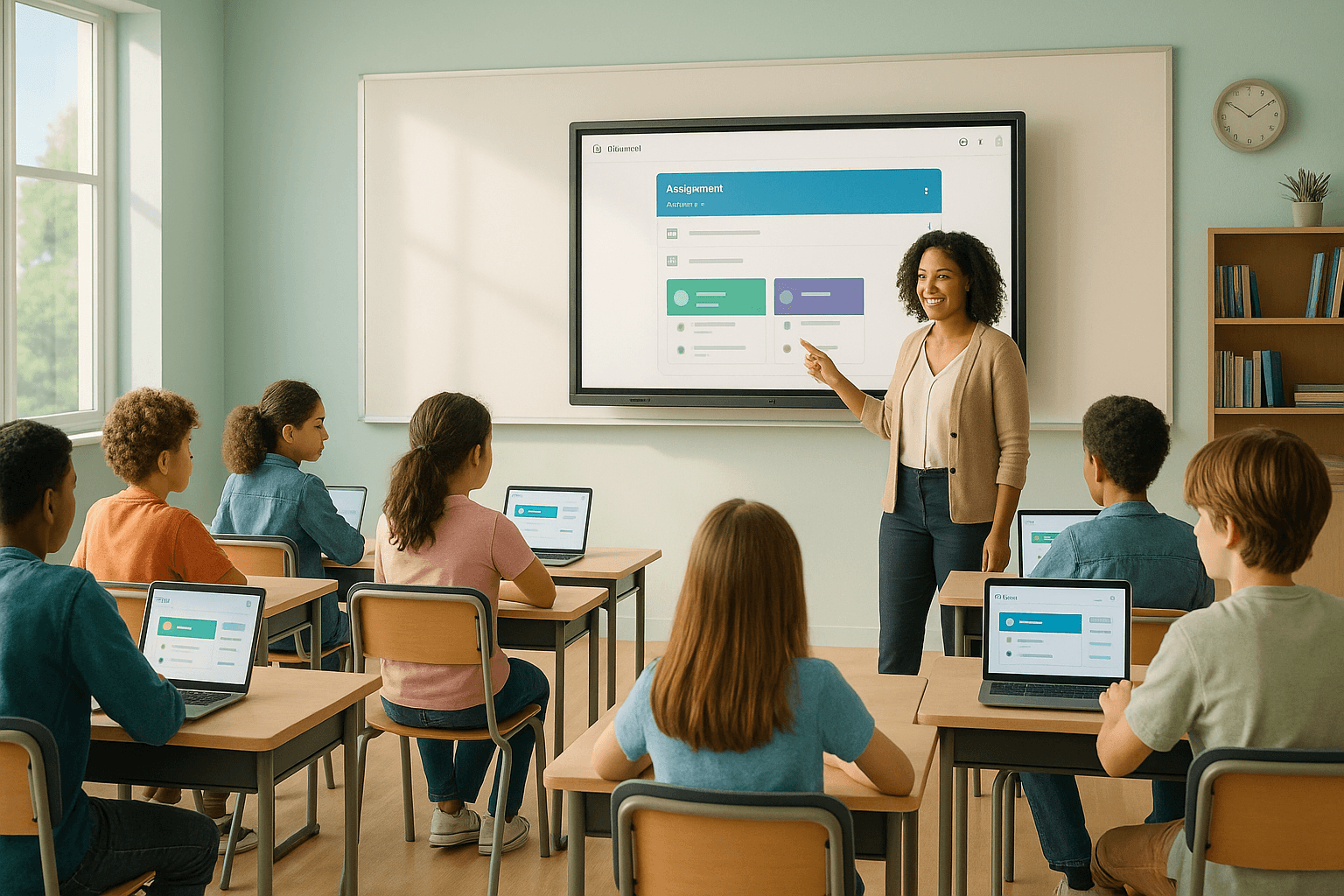
Online resources provide access to information and experiences previously unavailable. Curriculum can incorporate virtual field trips, primary source databases, and expert interviews. Learning management systems organize materials and facilitate communication.
Choosing digital resources requires careful evaluation. Consider whether tools genuinely enhance learning or simply digitize traditional approaches. Ensure resources are accessible to all students and do not require expensive devices or high-speed internet that some families lack.
Personalized and Adaptive Learning
Technology enables curriculum that adapts to individual student needs. Adaptive programs adjust difficulty based on performance, providing appropriate challenge levels. Data dashboards help teachers monitor progress and target support.
While personalization offers benefits, it raises important questions. How much individualization serves learning versus creating isolation? What role does teacher expertise play when algorithms drive instruction? Effective curriculum balances personalized elements with collaborative experiences and human connection.
Blended and Hybrid Learning Models
Blended approaches combine face-to-face and online learning. Curriculum development for blended environments requires thinking carefully about which activities work best in which settings. Use in-person time for collaboration, discussion, and hands-on work. Leverage online platforms for content delivery, practice, and assessment.
Hybrid models require clear structure and communication. Students need to understand expectations for both synchronous and asynchronous learning. Build community and connection intentionally since physical separation can create disconnection.
Curriculum Mapping and Documentation
Clear documentation helps educators understand and implement curriculum consistently. Mapping tools create visual representations of what gets taught when, revealing connections and gaps.
Creating Useful Curriculum Maps
Effective curriculum maps show scope and sequence at appropriate detail levels. They identify essential content, skills, and assessments without becoming overwhelming. Good maps help teachers see their place in larger learning progressions.
Maps should be living documents that evolve with curriculum. Create systems for updating maps as teachers refine and adjust instruction. Digital mapping tools facilitate collaboration and revision while maintaining version control.
Unit and Lesson Planning Templates
Standardized templates create consistency while allowing creativity. Templates should prompt attention to key elements like objectives, assessments, and differentiation without becoming burdensome. Find balance between helpful structure and excessive prescription.
Involve teachers in template design. Those who will use planning documents should help determine what information is essential and how it should be organized. Teacher input increases usability and adoption.
Sharing and Collaboration Systems
Curriculum documents should be easily accessible to all who need them. Cloud-based systems allow sharing and collaborative editing. Version control prevents confusion about which documents are current.
Build cultures of curriculum sharing where teachers contribute resources and learn from colleagues. Create repositories of strong lesson plans, assessments, and student work examples. Shared resources reduce individual planning burden while spreading effective practices.
Professional Learning for Curriculum Implementation
Even excellent curriculum fails without effective implementation. Professional learning helps educators develop knowledge and skills needed to enact curriculum with fidelity and flexibility.
Content Knowledge Development
Teachers cannot teach what they do not understand. Professional learning should deepen content knowledge, especially when curriculum introduces new topics or approaches. Help educators develop both breadth and depth in subject areas they teach.
Content learning for teachers should model effective pedagogy. Engage educators as learners using strategies they should employ with students. This dual purpose develops both content understanding and instructional repertoire.
Pedagogical Skill Building
Curriculum may require instructional approaches teachers have not previously used. Professional learning should develop pedagogical skills through demonstration, practice, and feedback. Move beyond telling teachers what to do toward helping them develop genuine capability.
Job-embedded learning proves most effective. Provide coaching, collaborative planning time, and opportunities to observe colleagues. These ongoing supports develop skill more effectively than isolated workshop sessions.
Collaborative Curriculum Study
Teachers benefit from examining curriculum together. Professional learning communities can study curriculum documents, analyze student work, and share implementation strategies. This collaborative approach builds shared understanding and collective capacity.
Structure collaboration with clear protocols and purposes. Simply meeting together produces limited benefit. Focus collaborative time on specific curriculum challenges and student learning evidence.
Evaluating Curriculum Effectiveness
Ongoing evaluation ensures curriculum achieves intended purposes and identifies needed improvements. Effective evaluation uses multiple measures and examines both implementation quality and learning outcomes.
Student Learning Outcomes
The ultimate curriculum measure is student learning. Examine multiple achievement indicators including standardized tests, classroom assessments, and performance tasks. Look for patterns across student groups to identify where curriculum serves all learners and where gaps persist.
Consider outcomes beyond test scores. Does curriculum develop critical thinking, creativity, and collaboration? Do students demonstrate engagement and motivation? These broader outcomes matter for long-term success even if they are harder to measure.
Implementation Fidelity and Adaptation
Evaluate whether curriculum is implemented as designed. Classroom observations, teacher surveys, and artifact review reveal implementation patterns. Distinguish between productive adaptations that serve students and problematic deviations that undermine curriculum coherence.
Perfect fidelity is neither possible nor desirable. Teachers should adapt curriculum based on student needs and emerging opportunities. Evaluation should examine whether adaptations strengthen or weaken learning experiences.
Teacher and Student Feedback
Those experiencing curriculum daily provide valuable evaluation data. Survey teachers about curriculum usability, student engagement, and perceived effectiveness. Gather student perspectives on whether learning experiences are meaningful and appropriately challenging.
Create safe channels for honest feedback. Teachers may hesitate to criticize curriculum they feel expected to praise. Anonymous surveys and facilitated discussions help surface authentic perspectives that improve curriculum quality.
Future Directions in Curriculum Development
Curriculum development continues evolving as educational understanding advances and societal needs shift. Several emerging trends shape current thinking and practice.
Competency-Based and Mastery Learning
Competency-based approaches organize curriculum around demonstrated mastery rather than seat time. Students progress when they show proficiency regardless of pace. This model requires rethinking traditional grade-level structures and assessment systems.
Implementing competency-based curriculum demands significant systemic change. Schools must develop clear competency frameworks, create multiple assessment opportunities, and build flexible scheduling. While challenging, this approach better serves diverse learners than one-size-fits-all pacing.
Interdisciplinary and Project-Based Curriculum
Traditional subject boundaries increasingly seem artificial. Real-world problems require integrated knowledge from multiple disciplines. Curriculum development increasingly emphasizes interdisciplinary connections and authentic application through extended projects.
Effective interdisciplinary curriculum maintains disciplinary integrity while building connections. Students should develop genuine understanding of individual subjects while seeing how knowledge integrates. This requires careful design that avoids superficial thematic units lacking intellectual coherence.
Social-Emotional Learning Integration
Recognition grows that academic and social-emotional development are inseparable. Curriculum increasingly incorporates explicit attention to skills like self-awareness, relationship building, and responsible decision-making. This integration happens both through dedicated SEL instruction and embedding these competencies throughout academic content.
Effective SEL integration goes beyond adding activities to existing curriculum. It requires examining how all learning experiences support student development across multiple dimensions. Consider how curriculum builds student agency, fosters belonging, and develops emotional intelligence alongside academic knowledge.
Sustainability and Global Citizenship
Curriculum increasingly addresses global challenges and prepares students for interconnected world. Climate change, social justice, and international cooperation become central rather than peripheral topics. This shift requires expanding traditional content and developing new competencies.
Global citizenship curriculum helps students understand their roles in larger systems. It develops critical consciousness about power, privilege, and responsibility. Students learn to think systemically and act ethically in complex situations without simple answers.