

What Is a Flipped Classroom?
A flipped classroom reverses traditional teaching by moving direct instruction outside of class time and bringing practice into the classroom. Students watch video lectures or review materials at home, then use class time for hands-on activities, discussions, and personalized support. This instructional strategy shifts the teacher's role from lecturer to facilitator, creating space for deeper engagement during face-to-face learning.
The model gained prominence in 2007 when Colorado chemistry teachers Jonathan Bergmann and Aaron Sams began recording lectures for absent students. They quickly realized all students benefited from watching content at their own pace. Today, flipped learning represents a fundamental rethinking of how we use precious classroom time.
Why Teachers Are Flipping Their Classrooms
The appeal of flipped instruction lies in what it makes possible during class. When students arrive having already encountered core concepts, teachers can focus on what humans do best: guiding, questioning, and responding to individual needs.
Traditional classrooms often reserve the most challenging work for homework, when students have the least support. Flipped classrooms reverse this logic. Students tackle difficult problems when the teacher is present to provide immediate feedback and scaffolding.
Research from the Journal of Educational Technology & Society shows students in flipped classrooms demonstrate improved problem-solving skills and greater academic achievement. More importantly, many students report feeling less anxious about learning because they control the pace of initial content exposure.
This approach also honors how memory and understanding actually develop. Students need time to process new information before applying it meaningfully. The flipped model provides that processing time, then brings students together for the cognitive work that truly builds mastery.
How Flipped Learning Works in Practice
Implementing a flipped classroom requires thoughtful planning beyond simply recording lectures. The strategy succeeds when both components work together seamlessly.
Before Class: Content Delivery
Students engage with instructional content independently, typically through video but also via readings, podcasts, or interactive modules. These materials introduce vocabulary, demonstrate procedures, or present foundational concepts. Effective pre-class content remains focused and brief, usually between five and fifteen minutes.
Teachers often embed quick checks for understanding within videos. Simple questions or pause points help students monitor their comprehension. Some educators use learning management systems to track which students watched content and where they struggled.
During Class: Active Application
Class time transforms into a workshop environment. Students work on problems, conduct experiments, engage in debates, or create projects. The teacher circulates, observes misconceptions, asks probing questions, and provides targeted instruction to individuals or small groups.
This is where flipped learning diverges from simply assigning homework differently. The classroom becomes louder, messier, and more dynamic. Students collaborate, make mistakes in safe environments, and receive immediate correction before misconceptions solidify.
After Class: Reflection and Extension
Follow-up work focuses on reflection, synthesis, or extension rather than initial skill practice. Students might write about what they learned, prepare questions for the next session, or explore related topics that interest them personally.
Flipped Classroom Models and Variations
Not all flipped classrooms look identical. Educators adapt the core concept to fit their content, students, and constraints.
Standard Flip
The most common version moves direct instruction home via video. Class time focuses on practice and application. This works well for procedural subjects like mathematics or language learning where students benefit from guided practice.
Discussion-Oriented Flip
Students encounter content independently, then class time centers on discussion and debate. This variation suits humanities courses where interpretation and perspective matter more than single correct answers. Students arrive prepared to defend positions or analyze texts together.
Demonstration-Focused Flip
Common in science and technical subjects, students watch demonstrations or experiments before class. Classroom time allows them to conduct investigations themselves, troubleshoot procedures, and explore variables with teacher guidance.
Micro-Flipping
Rather than flipping entire units, teachers flip individual lessons or even portions of single class periods. Students might watch a five-minute video at the start of class on their devices, then immediately apply concepts. This approach works when technology access at home remains limited.
Peer-Instruction Flip
Students learn content independently, then teach concepts to classmates during structured peer-teaching sessions. The teacher monitors and corrects misunderstandings. This model leverages the learning benefits of teaching others.
Benefits of Flipping the Classroom
When implemented thoughtfully, flipped instruction offers distinct advantages over traditional models.
Students gain control over pacing. They can pause, rewind, and rewatch explanations until concepts click. Fast learners move quickly through content, while those needing more time take it without feeling rushed or embarrassed.
Class time becomes more equitable. In traditional lectures, teachers often unconsciously direct attention toward vocal students. Flipped classrooms allow teachers to intentionally support students who typically remain quiet or struggle silently.
Parents gain insight into curriculum. When instructional videos are accessible, families can see exactly what their children are learning. This transparency helps parents support homework more effectively.
Teachers build content libraries. Once created, instructional videos serve multiple years and classes. Teachers can refine and improve materials over time rather than delivering the same lecture repeatedly.
Absenteeism becomes less disruptive. Students who miss class already have access to core content. They return better prepared to catch up on application activities.
Formative assessment improves. Teachers spend class time observing students work, providing real-time data about who understands what. This information drives more responsive instruction than traditional homework review.
Challenges and Limitations of Flipped Learning
Despite its promise, flipped instruction presents real obstacles that deserve honest consideration.
Technology Access and Equity
Not all students have reliable internet access or devices at home. This digital divide can make flipped learning feel exclusionary. Schools must address this through device lending programs, offline content options, or in-school viewing time.
Student Accountability
The model assumes students will complete pre-class work independently. When they don't, class activities become frustrating or impossible. Teachers need systems to motivate completion and backup plans for unprepared students.
Initial Time Investment
Creating quality instructional videos demands significant upfront time. Teachers must learn recording technology, develop engaging presentations, and produce content before seeing any classroom benefits. This investment can feel overwhelming alongside existing responsibilities.
Video Quality and Engagement
Poorly designed videos replicate the worst aspects of traditional lectures without the benefit of teacher presence. Students zone out during long, monotonous recordings just as they do during uninspiring live instruction.
Parent and Student Resistance
Some families prefer traditional homework structures. Parents may feel uncomfortable supporting video-based learning or question whether students are truly learning. Clear communication about the model's purpose helps address these concerns.
Not Suitable for All Content
Some concepts require live demonstration, immediate questioning, or spontaneous discussion. Flipping works best when content can be meaningfully separated from application.
Implementing a Flipped Classroom Successfully
Transitioning to flipped instruction requires more than recording lectures. These strategies increase the likelihood of success.
Start Small and Specific
Flip one unit or concept rather than an entire course immediately. This allows you to refine your approach, learn what works, and build confidence before expanding. Choose content that students typically find challenging during independent practice.
Keep Videos Short and Focused
Student attention spans for video content are shorter than for live instruction. Aim for five to ten minutes maximum. Cover one concept per video rather than entire lessons. Students can watch multiple short videos more easily than one long recording.
Build in Accountability Measures
Use entrance tickets, quick quizzes, or discussion prompts to verify students engaged with pre-class content. Make these low-stakes but consistent. The goal is establishing routines, not punishing students.
Design Meaningful Class Activities
The classroom component matters more than the videos. Plan activities that genuinely require teacher expertise and peer collaboration. Avoid filling class time with work students could complete alone.
Provide Multiple Access Points
Offer videos in various formats and locations. Post to multiple platforms, provide downloadable versions, and create viewing opportunities before or after school. Remove as many barriers to access as possible.
Communicate Clearly with Stakeholders
Explain the flipped model to students, parents, and administrators before starting. Share research, address concerns, and set clear expectations. Regular updates about what's working help maintain support.
Solicit and Use Feedback
Ask students what helps them learn from videos and what frustrates them. Adjust based on their input. This responsiveness models the reflective practice you want students to develop.
Creating Effective Instructional Videos
Video quality significantly impacts flipped classroom success. These principles guide effective content creation.
Prioritize audio quality over video quality. Students tolerate imperfect visuals but disengage from poor audio. Invest in a decent microphone before worrying about camera equipment.
Show your face periodically. Students connect better with content when they see their teacher, even briefly. This doesn't require expensive equipment—a smartphone works fine.
Include visual variety. Mix slides, screen recordings, document cameras, and demonstrations. Changing visual elements every thirty to sixty seconds maintains attention.
Speak conversationally. Write a loose script but don't read it verbatim. Natural speech patterns and occasional imperfections make videos feel more personal and engaging.
Embed interaction opportunities. Pose questions for students to pause and consider. Include links to additional resources. Use video platforms that allow embedded quizzes or discussion prompts.
Caption all videos. Captions support students with hearing differences, English language learners, and anyone in noisy environments. Many platforms auto-generate captions that require only minor editing.
Flipped Classroom Across Different Grade Levels
The flipped model adapts differently depending on student age and developmental stage.
Elementary Flipped Classrooms
Young students need shorter videos with more visual engagement. Many elementary teachers flip specific skills like math procedures while keeping other instruction traditional. Parent involvement becomes crucial since young children need support accessing and understanding video content.
Elementary flips often happen partially in class. Students might watch a video at learning stations while the teacher works with small groups. This maintains the flipped benefit of individualized pacing without requiring home technology access.
Middle School Applications
Middle school students have more independence but still need structure. This age group responds well to flipped models that increase class time for hands-on projects and peer collaboration. Videos work best when they're engaging and respect students' growing sophistication.
Middle schoolers benefit from choice in how they access content. Offering video, text, or audio options honors different learning preferences and builds self-advocacy skills.
High School Implementation
High school students can handle longer, more complex pre-class content. The flipped model prepares them for college-level expectations of independent learning. Class time can focus on advanced application, debate, and project-based work.
High school flips often incorporate student-created content. Students might create videos teaching concepts to peers, deepening their own understanding through the process.
Flipped Learning and Educational Technology
Technology enables flipped classrooms but shouldn't drive them. The pedagogy matters more than the tools.
Learning management systems help organize content and track engagement. Platforms like Google Classroom, Canvas, or Schoology centralize videos, assignments, and communication. Analytics show which students accessed materials and where they spent time.
Video hosting platforms offer different features. YouTube provides easy access and sharing. Edpuzzle allows embedded questions. Screencast-O-Matic and Loom simplify recording. Choose platforms based on your needs and district policies.
Interactive tools increase engagement. Nearpod, Peardeck, and Kahoot transform passive video watching into active learning experiences. Students respond to prompts, answer questions, and see their thinking compared to classmates.
However, technology should remain invisible when possible. Students should focus on learning content, not navigating complex platforms. Simpler tools often work better than feature-rich options that create confusion.
Assessing Learning in Flipped Classrooms
Flipped instruction changes when and how teachers gather evidence of learning.
Formative assessment becomes continuous. Teachers observe students working during class, identifying misconceptions in real time. This ongoing feedback loop allows immediate instructional adjustments rather than waiting for test results.
Pre-class checks verify engagement without becoming burdensome. Simple entrance questions, video viewing logs, or brief reflection prompts confirm students prepared. These shouldn't feel punitive but rather help students develop accountability.
Summative assessments can become more authentic. With more class time for complex work, teachers can assess through projects, presentations, or performance tasks rather than relying solely on traditional tests.
Self-assessment grows in importance. Students in flipped classrooms develop stronger metacognitive skills. They learn to identify what they understand and what confuses them. Building reflection into the routine helps students become independent learners.
Comparing Flipped Classrooms to Other Teaching Strategies
Understanding how flipped learning relates to other approaches helps teachers make informed choices.
Flipped Classroom vs. Traditional Direct Instruction
Traditional instruction delivers content during class and assigns practice for homework. Flipped learning reverses this sequence. Both can be effective, but flipped models provide support during the most challenging learning phase.
Flipped Classroom vs. Blended Learning
Blended learning combines online and face-to-face instruction in various configurations. Flipped classrooms represent one type of blended learning. Other blended models might use technology during class time or alternate between online and in-person days.
Flipped Classroom vs. Project-Based Learning
Project-based learning organizes curriculum around extended, real-world projects. Flipped instruction can support PBL by moving content delivery outside project work time. Many teachers combine both strategies effectively.
Flipped Classroom vs. Inquiry-Based Learning
Inquiry-based approaches let students discover concepts through investigation. Flipped models typically provide direct instruction before application. However, teachers can flip inquiry by having students explore phenomena independently, then use class time for guided investigation.
Research and Evidence on Flipped Classrooms
The evidence base for flipped learning continues growing, though results remain mixed.
A meta-analysis in the Review of Educational Research found flipped classrooms produce small to moderate positive effects on student learning compared to traditional instruction. Benefits appear strongest in STEM subjects and when implementation quality is high.
Research from the Journal of Computer Assisted Learning indicates students in flipped classrooms demonstrate improved self-regulated learning skills. They become better at planning their learning, monitoring understanding, and seeking help appropriately.
However, some studies show no significant difference between flipped and traditional approaches. These mixed results suggest implementation quality matters more than the model itself. Poorly designed flipped classrooms offer no advantage over well-executed traditional instruction.
Student perceptions vary. Many students appreciate the flexibility and support flipped models provide. Others struggle with the increased responsibility for independent learning. Success often depends on how well teachers prepare students for the transition.
Common Mistakes When Flipping the Classroom
Avoiding these pitfalls increases the likelihood of successful implementation.
Creating videos that simply replicate lectures wastes the model's potential. If videos bore students, they won't watch them. Worse, you've invested time creating content that doesn't improve learning.
Failing to plan engaging class activities undermines the entire approach. The classroom component matters most. If students just complete worksheets during class, you haven't truly flipped—you've just moved the lecture.
Assuming all students have equal access to technology creates inequity. Always provide alternatives for students without reliable home internet or devices. This might mean in-school viewing time or paper-based content options.
Flipping too much too fast leads to burnout. Teachers who try to flip entire courses immediately often feel overwhelmed and abandon the approach. Start small and expand gradually.
Neglecting to teach students how to learn from videos sets them up for failure. Students need explicit instruction in active video watching: taking notes, pausing to think, and identifying confusion.
Ignoring student feedback prevents improvement. Students know what helps them learn. Regular check-ins about what's working and what isn't guide refinements.
The Future of Flipped Learning
As educational technology evolves, so do possibilities for flipped instruction.
Artificial intelligence may soon personalize pre-class content based on individual student needs. Adaptive learning platforms could automatically adjust video content, pacing, and difficulty to match each learner's current understanding.
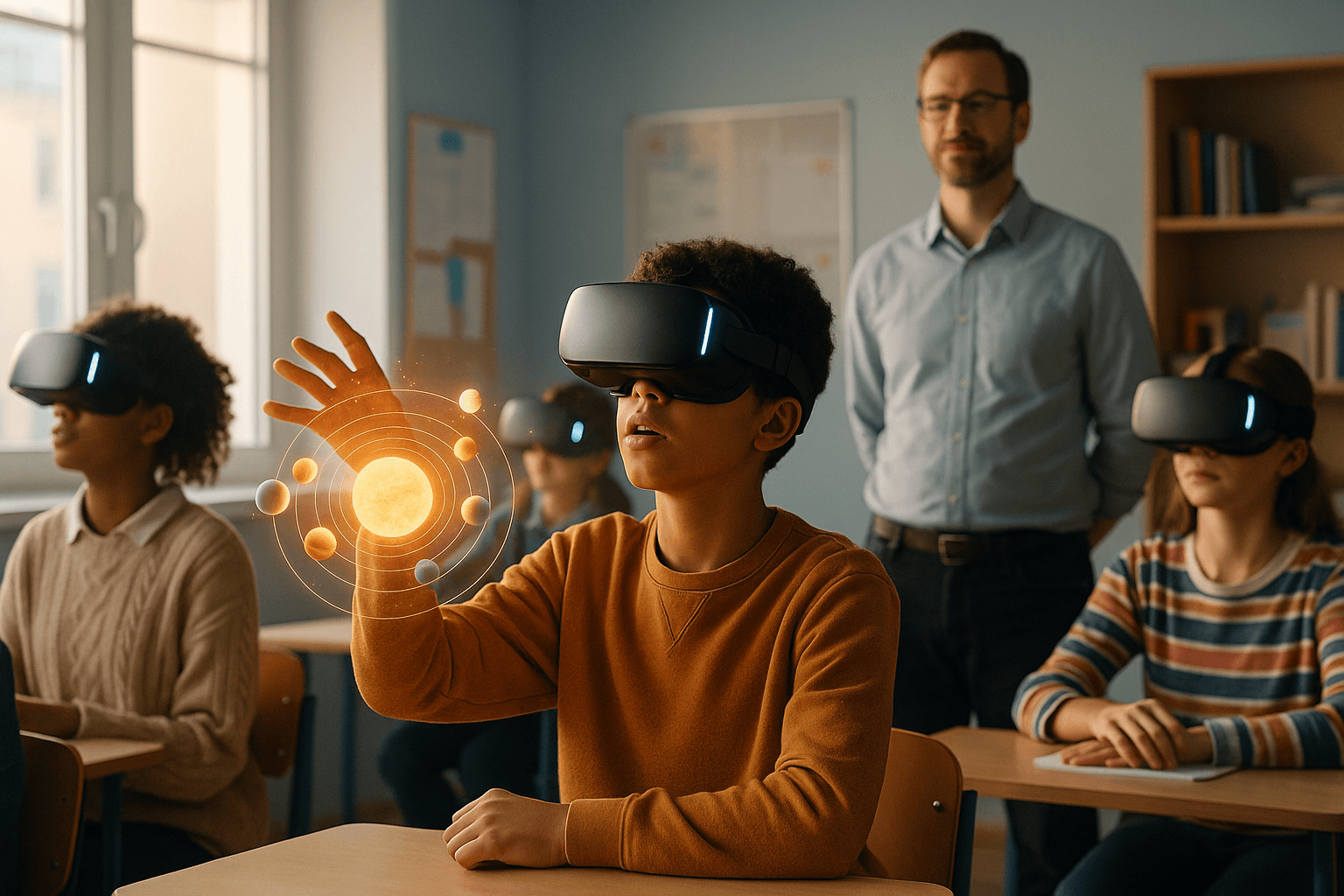
Virtual and augmented reality offer new ways to deliver immersive pre-class experiences. Students might explore historical sites, manipulate molecular structures, or practice skills in simulated environments before class.
Increased access to high-quality open educational resources reduces the burden of content creation. Teachers can curate and customize existing videos rather than creating everything from scratch.
However, the core principle remains constant: use precious face-to-face time for what requires human interaction and guidance. Technology changes the tools, but the pedagogical wisdom endures.
Making the Decision to Flip
Flipped classrooms aren't right for every teacher, subject, or student group. Thoughtful consideration helps you decide.
Consider your students' access to technology and support at home. If significant barriers exist, can you address them? Are you prepared to provide alternatives?
Reflect on your teaching strengths. Do you excel at facilitating discussions and guiding practice? Or do your strengths lie in dynamic content delivery? Flipped models suit teachers who thrive as coaches more than performers.
Examine your curriculum. Which concepts do students struggle with during independent practice? These are prime candidates for flipping. Which topics require spontaneous discussion or demonstration? These might work better with traditional approaches.
Assess your available time and energy. Creating quality flipped materials requires significant initial investment. Do you have the capacity now, or should you wait for a less demanding season?
The flipped classroom represents one powerful tool among many. It works best when chosen deliberately, implemented thoughtfully, and refined continuously based on student needs and learning outcomes.