

What is Student Mental Health in Schools?
Student mental health encompasses the emotional, psychological, and social well-being of learners within educational environments. It affects how students think, feel, and act while influencing their ability to handle stress, relate to others, and make healthy choices. Mental health in schools extends beyond addressing mental illness to promoting positive emotional development and resilience-building strategies that support academic success and personal growth.
Research indicates that one in five children experiences a mental health challenge during their school years. These challenges range from anxiety and depression to attention difficulties and behavioral concerns that directly impact learning outcomes and classroom dynamics.
Why Student Mental Health Programs Matter Now
The urgency surrounding student wellness programs has intensified as educators witness unprecedented levels of stress, anxiety, and emotional distress among learners. Recent studies reveal that schools implementing comprehensive mental health initiatives see measurable improvements in academic performance, attendance rates, and overall school climate.
Traditional disciplinary approaches often fail to address underlying emotional needs. Students acting out in classrooms frequently struggle with unmet mental health challenges rather than deliberate defiance. This shift in understanding requires educational leaders to rethink how schools support the whole child.
The connection between mental wellness and academic achievement creates a compelling case for investment. Students experiencing emotional stability demonstrate enhanced focus, improved problem-solving abilities, and stronger peer relationships that contribute to positive learning environments.
Core Components of Effective School Counseling Programs
Successful school counseling programs integrate multiple support layers that address prevention, intervention, and crisis response. These comprehensive approaches recognize that student mental health requires ongoing attention rather than reactive measures.
Professional Staffing Models
Effective programs employ licensed school counselors, social workers, and psychologists who collaborate to meet diverse student needs. The American School Counselor Association recommends a ratio of one counselor per 250 students, though many schools operate with significantly higher caseloads that limit individualized support.
Mental health professionals within schools provide direct counseling services, crisis intervention, and consultation with teachers and families. Their expertise helps identify early warning signs and implement appropriate interventions before challenges escalate.
Curriculum Integration Strategies
Student wellness programs achieve greater impact when mental health concepts integrate naturally into existing curriculum rather than existing as isolated add-ons. Social-emotional learning frameworks provide structure for teaching emotional regulation, empathy, and healthy coping strategies across subject areas.
Teachers receive training to recognize mental health indicators and respond appropriately within their classrooms. This approach creates multiple touchpoints for support while reducing stigma associated with seeking help.
Evidence-Based Student Mental Health Programs
Research-backed interventions provide the foundation for sustainable mental health initiatives that produce measurable outcomes. These programs demonstrate effectiveness across diverse student populations and school settings.
Positive Behavioral Interventions and Supports
PBIS frameworks establish school-wide systems that promote positive behavior while addressing challenging behaviors through tiered interventions. This approach emphasizes teaching appropriate behaviors rather than simply punishing inappropriate ones.
Schools implementing PBIS report reduced suspension rates, improved academic outcomes, and enhanced school climate. The multi-tiered structure allows for individualized support while maintaining consistent expectations across all school environments.
Trauma-Informed Care Practices
Understanding how trauma affects learning enables schools to create environments that promote healing and resilience. Trauma-informed practices recognize that many behavioral challenges stem from adverse childhood experiences rather than willful misconduct.
These approaches emphasize safety, trustworthiness, peer support, and cultural responsiveness. Staff training focuses on recognizing trauma symptoms and implementing supportive responses that avoid re-traumatization.
Mindfulness and Stress Reduction Programs
Mindfulness interventions teach students practical skills for managing stress, improving focus, and developing emotional awareness. These programs range from brief daily practices to comprehensive curricula that explore meditation, breathing techniques, and body awareness.
Research demonstrates that students participating in mindfulness programs show reduced anxiety levels, improved attention spans, and better emotional regulation. Implementation requires minimal resources while providing tools students can use throughout their lives.
Implementation Guide for School Administrators
Successful mental health program implementation requires strategic planning, stakeholder engagement, and systematic evaluation. Administrators play crucial roles in creating supportive environments where student wellness initiatives can thrive.
Needs Assessment and Planning
Begin by conducting comprehensive needs assessments that identify specific mental health challenges within your student population. Survey data from students, families, and staff provides valuable insights into existing gaps and priorities for intervention.
Analyze discipline data, attendance patterns, and academic performance indicators to understand how mental health challenges manifest within your school context. This information guides resource allocation and program selection decisions.
Building Stakeholder Support
Engage teachers, families, and community partners in conversations about student mental health priorities. Address concerns about stigma, resource allocation, and implementation challenges through transparent communication and collaborative problem-solving.
School board presentations should emphasize the connection between student wellness and academic achievement. Share research findings and case studies that demonstrate positive outcomes from similar initiatives.
Professional Development Strategies
Invest in comprehensive training that builds staff capacity for supporting student mental health. Professional development should address trauma-informed practices, crisis response protocols, and classroom-based wellness strategies.
Create ongoing learning opportunities rather than one-time workshops. Mental health awareness requires continuous skill development and reflection on practice.
Resource Allocation and Sustainability
Develop funding strategies that combine federal grants, state resources, and community partnerships. Many student wellness programs qualify for Title I, Title IV, or special education funding streams that support implementation costs.
Consider cost-effective approaches that maximize impact while working within budget constraints. Peer support programs, teacher-led interventions, and community volunteer initiatives can extend program reach without significant financial investment.
Measuring Success in Student Wellness Programs
Effective evaluation systems track both quantitative outcomes and qualitative indicators of program success. Data collection should capture changes in academic performance, behavioral incidents, and student self-reported wellness measures.
Academic and Behavioral Indicators
Monitor attendance rates, disciplinary referrals, and academic achievement data to assess program impact on school-wide outcomes. These metrics provide concrete evidence of improvement that resonates with stakeholders focused on academic results.
Track graduation rates, course completion, and post-secondary enrollment among students receiving mental health services. Long-term outcomes demonstrate the lasting value of early intervention and support.
Student Voice and Feedback
Regular surveys and focus groups capture student perspectives on program effectiveness and areas for improvement. Student feedback often reveals insights that adult observers might miss about program accessibility and relevance.
Create safe spaces for students to share their experiences with mental health services. This information guides program refinements and helps identify emerging needs within the student population.
Overcoming Common Implementation Challenges
Mental health initiatives face predictable obstacles that can derail even well-intentioned efforts. Proactive planning addresses these challenges before they undermine program effectiveness.
Addressing Stigma and Resistance
Some families and community members may resist mental health programming due to cultural beliefs, privacy concerns, or skepticism about school-based services. Address these concerns through education, transparent communication, and culturally responsive program design.
Emphasize the connection between emotional wellness and academic success rather than focusing solely on mental illness treatment. This framing helps stakeholders understand the universal benefits of student wellness programs.
Staff Capacity and Training Needs
Teachers and support staff may feel unprepared to address student mental health needs within their existing roles. Provide clear guidelines about professional boundaries, referral processes, and available resources.
Develop tiered training systems that offer different levels of mental health literacy based on staff roles and responsibilities. Not every educator needs clinical training, but all staff benefit from basic awareness and response skills.
Future Directions in School Mental Health
Emerging trends in student mental health programming emphasize prevention, technology integration, and community partnerships that extend support beyond traditional school hours and settings.
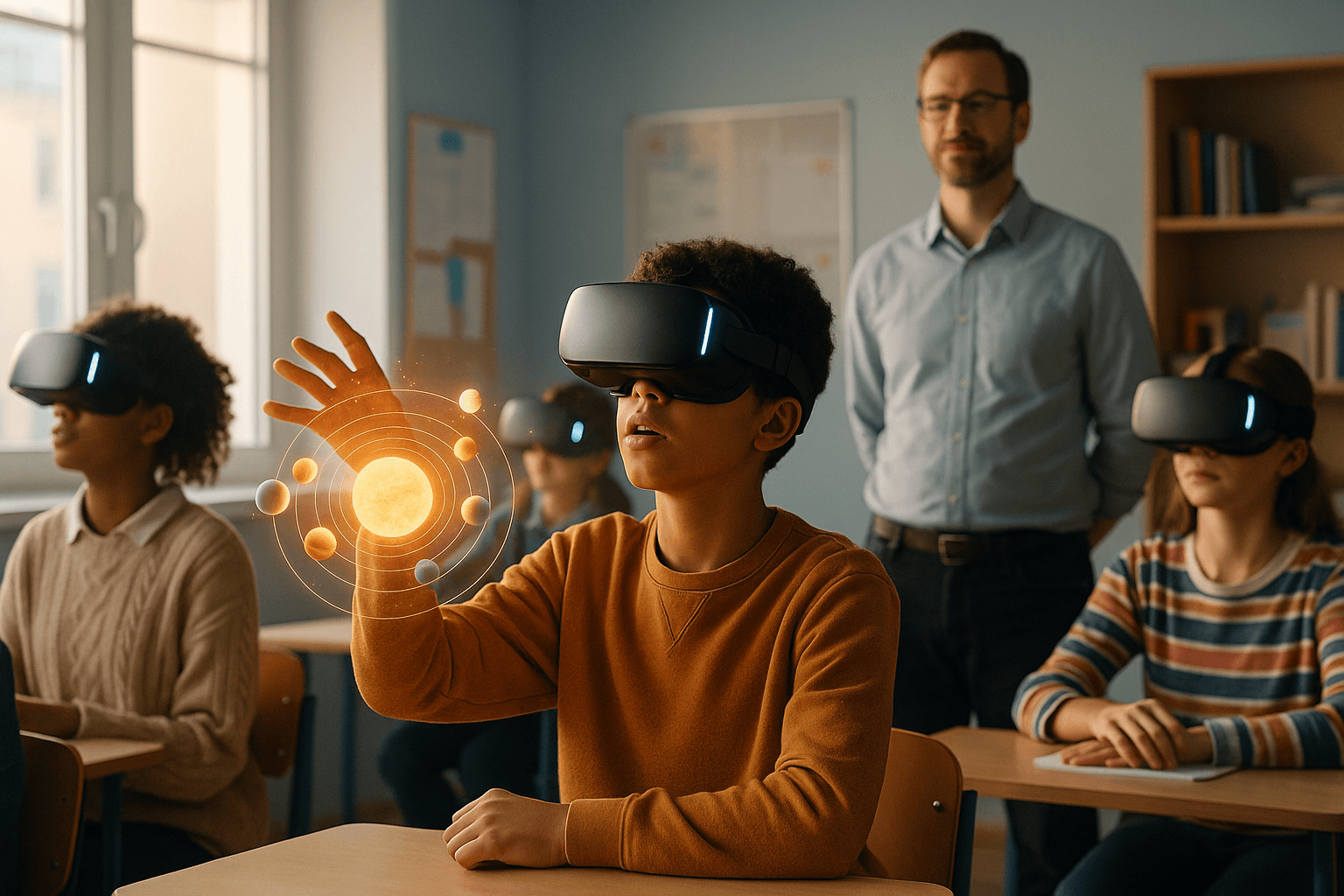
Digital mental health tools offer new opportunities for reaching students who might not access traditional counseling services. Apps, online platforms, and virtual reality interventions provide innovative approaches to skill-building and support delivery.
Community partnerships expand the continuum of care by connecting schools with healthcare providers, mental health agencies, and youth-serving organizations. These collaborations create seamless support systems that address complex student needs requiring specialized intervention.
The future of student mental health lies in comprehensive approaches that integrate wellness promotion into every aspect of the educational experience. Schools that embrace this vision create environments where all students can thrive academically, socially, and emotionally.