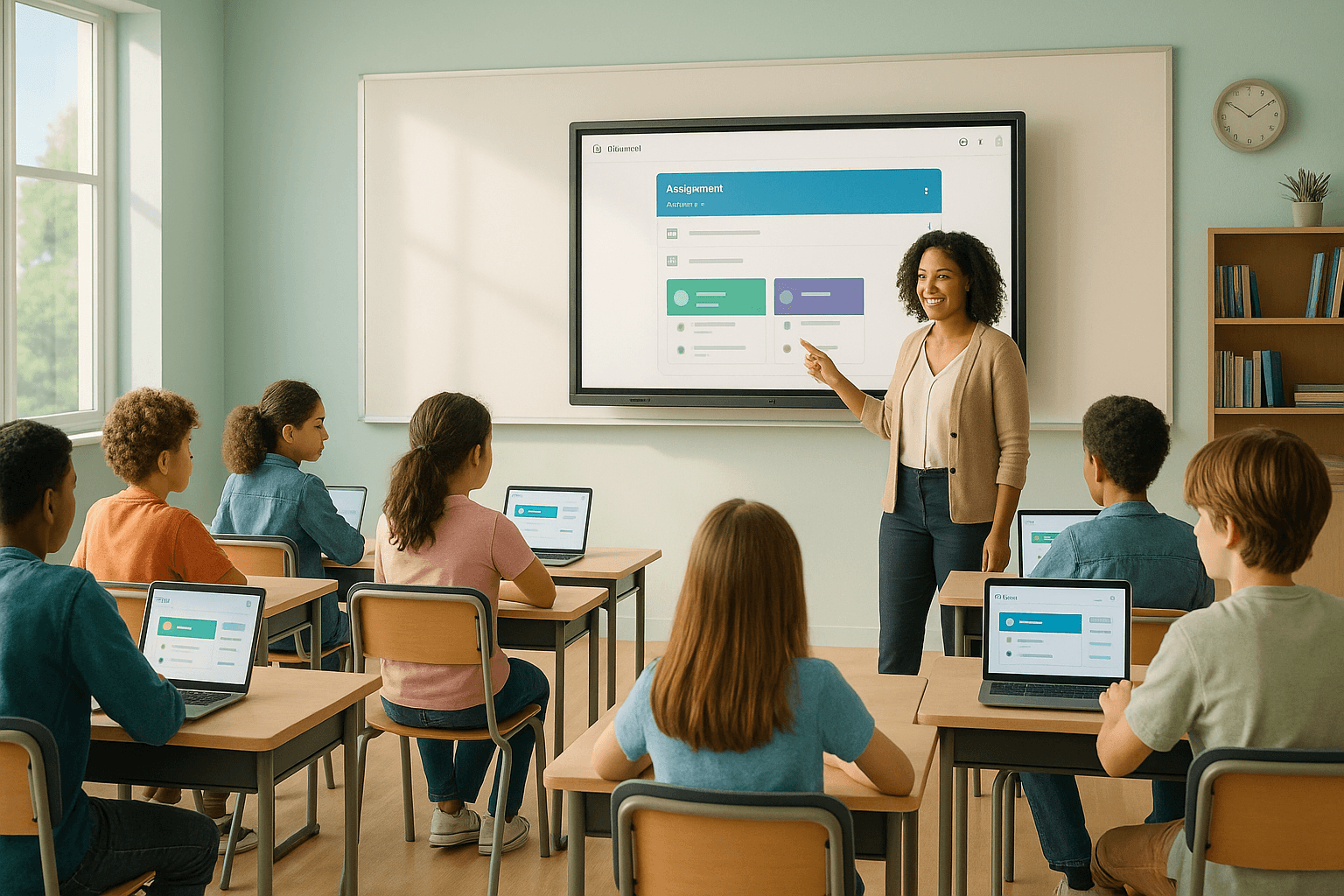



What Are Academic Intervention Programs?
Academic intervention programs are structured student support systems designed to help learners who fall behind grade-level expectations. These programs provide targeted instruction, additional practice time, and personalized strategies to address specific skill gaps. Schools implement academic intervention when regular classroom instruction alone does not meet a student's learning needs.
The goal is simple but profound: ensure every student gains the skills and confidence needed to succeed. Intervention differs from general instruction by focusing on identified weaknesses through data-driven approaches. Rather than replacing core teaching, these programs supplement and reinforce learning in strategic ways.
Why Academic Intervention Matters for Struggling Students
The achievement gap widens quickly when students miss foundational concepts. Research from the National Center for Education Statistics shows that students who fall behind in elementary reading often struggle throughout their academic careers. Early academic intervention can reverse this trajectory before gaps become insurmountable.
Struggling students need more than extra time. They require different instructional approaches tailored to how they learn best. Generic remedial education often repeats failed methods at a slower pace. Effective intervention redesigns the learning experience entirely.
Consider a fifth grader reading at a second-grade level. Simply assigning more reading homework will likely increase frustration without building skills. An intervention program would diagnose specific decoding weaknesses, provide explicit phonics instruction, and gradually build fluency through appropriately leveled texts.
Student support programs also address the emotional dimensions of academic struggle. Repeated failure erodes confidence and motivation. Thoughtfully designed interventions celebrate small wins and rebuild learners' belief in their own capacity to grow.
Core Components of Effective Student Support Programs
Strong academic intervention programs share several essential characteristics that distinguish them from less effective approaches.
Data-Driven Identification and Progress Monitoring
Effective programs begin with accurate assessment. Universal screening identifies students who need support before they fall too far behind. Diagnostic assessments then pinpoint specific skill deficits rather than general weaknesses.
Progress monitoring occurs frequently, often weekly or biweekly. This allows educators to adjust instruction quickly when students aren't responding. Data should be simple enough for teachers to collect consistently but detailed enough to guide instructional decisions.
Many schools use curriculum-based measurements that directly assess skills being taught. A third-grade math intervention might track fact fluency or word problem accuracy. Reading programs often monitor oral reading fluency and comprehension separately.
Targeted Instruction Based on Specific Needs
Generic tutoring rarely produces strong results. Students need instruction that directly addresses their specific gaps. A struggling reader might need phonemic awareness work, while another requires vocabulary development or comprehension strategies.
Effective remedial education breaks complex skills into manageable components. Teachers explicitly teach each element, provide guided practice, and then gradually release responsibility to students. This systematic approach prevents the confusion that often accompanies struggle.
Instruction should also differ in method, not just pace. If whole-group instruction didn't work, repeating the same approach more slowly won't help. Intervention might incorporate multisensory techniques, concrete manipulatives, or technology-based practice that provides immediate feedback.
Increased Instructional Time and Intensity
Students who are behind need more learning opportunities than their peers. This might mean additional instructional minutes daily or smaller group sizes that allow more individual attention.
Research suggests that intervention works best in groups of three to five students. This size allows personalized attention while maintaining some peer interaction. One-on-one support can be even more powerful for students with significant gaps.
Scheduling matters tremendously. Intervention should supplement rather than replace core instruction in that subject. Pulling a struggling reader from literacy block to attend reading intervention creates a counterproductive cycle.
Qualified and Trained Interventionists
The most sophisticated program fails without skilled implementation. Interventionists need deep content knowledge and understanding of how students develop skills in that domain.
They must also understand the specific intervention curriculum and deliver it with fidelity. Many evidence-based programs include detailed lesson scripts and protocols. Following these carefully produces better outcomes than well-intentioned improvisation.
Ongoing professional development keeps interventionists sharp. Regular data review meetings help teams problem-solve when students aren't progressing as expected.
Types of Academic Intervention Approaches
Schools implement various intervention models depending on student needs, available resources, and grade levels served.
Response to Intervention Framework
Response to Intervention, commonly called RTI, structures support in graduated tiers. Tier 1 represents quality core instruction for all students. Tier 2 provides targeted small-group intervention for students showing early signs of struggle. Tier 3 delivers intensive individualized support for students with significant needs.
This framework prevents both over-identification and delayed support. Students move between tiers based on their response to instruction. The system emphasizes early intervention and continuous progress monitoring.
RTI works across content areas but originated in literacy. Many schools now apply the same tiered approach to mathematics, behavior support, and even social-emotional learning.
Pull-Out Intervention Programs
Pull-out models remove students from the regular classroom for focused intervention time. This allows specialized instruction in a distraction-reduced environment with materials specifically designed for remediation.
The primary challenge involves scheduling. Schools must ensure students don't miss core instruction in the intervention subject. Some schools schedule intervention during enrichment time, though this raises equity concerns about limiting opportunities for struggling students.
Pull-out programs work best when they coordinate closely with classroom instruction. The interventionist and classroom teacher should communicate regularly about skills being addressed and student progress.
Push-In Support Models
Push-in intervention brings specialized support into the regular classroom. An interventionist works with struggling students during core instruction time, providing additional scaffolding and practice.
This model eliminates scheduling conflicts and reduces stigma some students feel about leaving class. It also allows interventionists to see how students perform in the regular instructional environment.
However, push-in support can be less intensive and more distracting than pull-out models. Classroom noise and activity may limit the focused instruction some students need.
Extended Learning Time
Some schools add instructional time through before-school programs, after-school tutoring, or summer intervention. This approach provides extra support without sacrificing any regular instruction time.
Attendance can challenge extended-time programs. Transportation issues, family schedules, and student fatigue affect participation. Schools must address these barriers thoughtfully to ensure the students who need support most can access it.
Summer programs prevent the learning loss that disproportionately affects struggling students during long breaks. Research shows that summer reading programs can maintain or even accelerate progress made during the school year.
Developing Academic Intervention Programs: A Strategic Approach
Building effective intervention systems requires careful planning and sustained commitment from school leadership.
Conducting a Needs Assessment
Start by analyzing existing data to understand the scope and nature of student needs. Review standardized test results, universal screening data, and classroom performance indicators. Look for patterns across grade levels, student subgroups, and content areas.
Identify where the greatest needs exist. A school might discover that reading comprehension weakens significantly in fourth grade, or that algebra readiness poses challenges for most eighth graders. These patterns should guide resource allocation.
Also assess current intervention efforts honestly. Which programs produce strong results? Where do students fail to progress despite intervention? This analysis prevents continuing ineffective practices simply because they're familiar.
Selecting Evidence-Based Intervention Curricula
Choose programs with strong research support for your specific student population and identified needs. The What Works Clearinghouse provides reviews of intervention programs across content areas and grade levels.
Consider implementation requirements carefully. Some programs require extensive training or specific materials. Others demand strict fidelity to scripted lessons. Ensure your team can realistically implement the program as designed.
Avoid the temptation to create entirely homegrown interventions. While teacher-created materials can supplement purchased programs, research-validated curricula typically outperform improvised approaches. Effective intervention design requires specialized expertise.
Establishing Clear Entry and Exit Criteria
Define objective criteria for identifying students who need intervention. Cut scores on universal screeners provide clear thresholds. Some schools also consider teacher referrals, but these should supplement rather than replace data-based identification.
Exit criteria should be equally clear. Students who reach grade-level benchmarks on progress monitoring assessments can transition out of intervention. This frees capacity for other struggling students and celebrates meaningful progress.
Some students will need ongoing support throughout the year or across multiple years. Long-term intervention isn't failure; it's appropriate response to significant needs. However, if most students aren't exiting intervention, the program likely needs adjustment.
Creating a Master Schedule That Protects Intervention Time
Schedule intervention blocks into the master schedule before adding other elements. This signals that intervention is a priority, not an afterthought squeezed into leftover time.
Ensure intervention doesn't conflict with core instruction in that content area. A reading intervention scheduled during literacy block forces impossible choices. Similarly, avoid scheduling intervention during recess or specials, which provide essential breaks and enrichment.
Consider scheduling all intervention blocks at the same time across grade levels. This allows flexible grouping based on skill level rather than age and maximizes staffing efficiency.
Administrative Implementation of Student Support Programs
Strong leadership transforms intervention from a program into a sustainable system embedded in school culture.
Building Leadership Support and Shared Ownership
Principals must champion intervention efforts publicly and consistently. This includes protecting intervention time from interruptions, attending data meetings, and celebrating student progress.
However, successful implementation requires distributed leadership. An intervention coordinator or instructional coach can manage day-to-day operations, analyze data, and support interventionists. Teacher leaders who see results become powerful advocates.
Create structures for regular communication about intervention. Grade-level teams might review progress monitoring data monthly. School leadership teams should examine intervention effectiveness quarterly and adjust as needed.
Allocating Resources Strategically
Effective intervention requires investment. Budget for evidence-based curricula, assessment tools, and professional development. Consider whether existing staff can provide intervention or whether additional personnel are needed.
Many schools leverage Title I funding, special education resources, or grants to support intervention programs. Some districts reallocate positions to create intervention specialist roles.
Technology can extend intervention capacity when used appropriately. Adaptive programs provide individualized practice and free teachers to work with students who need human interaction most. However, technology should supplement rather than replace teacher-led instruction.
Providing Ongoing Professional Development
Initial training launches intervention programs, but ongoing development sustains quality implementation. Interventionists need regular opportunities to deepen content knowledge, refine instructional techniques, and problem-solve challenges.
Job-embedded professional development often proves most effective. Instructional coaches might observe intervention sessions and provide feedback. Video analysis allows interventionists to reflect on their practice. Peer observation creates opportunities to learn from colleagues.
Classroom teachers also need professional development about intervention systems. They should understand how to interpret screening data, refer students appropriately, and coordinate with interventionists.
Monitoring Implementation Fidelity
Even excellent programs fail without faithful implementation. Administrators should regularly observe intervention sessions using fidelity checklists provided by curriculum publishers.
Fidelity monitoring isn't punitive; it's supportive. When implementation drifts from the program design, student outcomes suffer. Identifying implementation challenges early allows for coaching and adjustment.
Track not just whether intervention happens, but how consistently. Are sessions occurring as scheduled? Do they last the intended duration? Are all program components being delivered? These operational details significantly impact effectiveness.
Using Data to Drive Continuous Improvement
Establish regular data review cycles at multiple levels. Interventionists should examine individual student progress weekly to adjust instruction. Grade-level teams might review group trends monthly. School leadership should analyze program-level effectiveness each quarter.
Ask hard questions when data reveals problems. If students aren't progressing in a particular intervention group, why not? Is the instruction appropriate for their needs? Is the group size too large? Does the interventionist need additional support?
Celebrate successes publicly. Share data showing student growth in faculty meetings and newsletters. Recognition motivates continued effort and builds belief that intervention works.
Addressing Common Implementation Challenges
Even well-designed programs encounter obstacles. Anticipating these challenges allows proactive problem-solving.
Overcoming Scheduling Constraints
Finding time for intervention in already-packed schedules frustrates many schools. Creative solutions include lengthening the school day slightly, using paraprofessionals to supervise lunch or recess so teachers can provide intervention, or implementing a daily intervention block for all students.
Some schools adopt a "what I need" time where all students receive either intervention or enrichment based on current data. This approach normalizes support and ensures no student misses essential instruction.
Managing Stigma Around Remedial Education
Students sometimes resist intervention because they feel labeled or embarrassed. Schools can reduce stigma by framing intervention as temporary, targeted support that many students receive at different times.
Avoid language that sounds deficit-focused. Instead of "low group," use neutral terms like "Group A" or skill-specific names like "Fluency Builders." Emphasize that intervention provides extra support to master important skills.
When possible, provide intervention in spaces that don't broadcast student struggles. A small group working in the library corner draws less attention than students leaving for the "remedial reading room."
Ensuring Family Engagement and Communication
Families need clear information about why their child receives intervention and what it involves. Initial conversations should emphasize that intervention provides additional support, not punishment for poor performance.
Share progress monitoring data regularly in family-friendly formats. Graphs showing skill growth over time help families see that intervention works. Specific suggestions for home support extend learning beyond school.
Some families worry that intervention signals their child has a disability. Clarify that intervention serves students with a range of needs, from those slightly below benchmark to those with significant gaps. Explain how intervention data informs decisions about whether additional evaluation might be helpful.
Balancing Intervention With Enrichment Opportunities
Struggling students deserve access to engaging, enriching experiences, not just remediation. Schools must ensure that intervention doesn't systematically exclude students from art, music, field trips, or other valuable learning opportunities.
Consider whether intervention could incorporate enriching content. A reading intervention might use high-interest informational texts about science or history. Math intervention could include problem-solving challenges that develop critical thinking alongside computational skills.
Some schools designate certain enrichment activities as untouchable, ensuring all students participate regardless of intervention needs. Others create flexible schedules where students attend intervention most days but join enrichment activities weekly.
Measuring the Success of Academic Intervention Programs
Rigorous evaluation ensures that intervention efforts produce meaningful results and guides continuous improvement.
Student-Level Outcome Metrics
The most direct measure of intervention success is student progress toward grade-level proficiency. Track what percentage of intervention students meet exit criteria within expected timeframes. Most students should exit Tier 2 intervention within one semester if the program is effective.
Also monitor rate of improvement. Students in intervention should grow faster than would be expected without support. Progress monitoring data should show steeper slopes during intervention than before it began.
Consider both academic and non-academic outcomes. Do students demonstrate increased confidence and engagement? Do behavior referrals decrease as academic skills improve? These indicators matter too.
Program-Level Effectiveness Indicators
Examine trends across all students receiving intervention. If most students aren't progressing, the program itself likely needs adjustment. Strong intervention programs should show clear positive effects for the majority of participants.
Compare outcomes across different intervention groups or approaches. Do certain curricula or instructional methods produce better results? Does group size affect progress? This analysis reveals what works best in your specific context.
Track long-term outcomes when possible. Do students who exit intervention maintain their gains? Do they need to return to intervention later? Sustained progress indicates truly effective support.
Implementation Quality Measures
Strong outcomes depend on quality implementation. Monitor whether intervention occurs as scheduled, with appropriate duration and frequency. Track interventionist attendance and program fidelity.
Gather feedback from interventionists about program strengths and challenges. They see daily what works and what doesn't. Their insights should inform program refinement.
Consider whether the intervention system functions efficiently. How long does it take to identify students who need support? How quickly do students begin receiving intervention after identification? Streamlined processes ensure timely support.
Looking Forward: Innovation in Student Support Programs
Academic intervention continues evolving as research reveals more effective approaches and technology creates new possibilities.
Personalized learning platforms increasingly support intervention by adapting content and pacing to individual student needs. When thoughtfully integrated with teacher-led instruction, these tools can accelerate progress and provide detailed data about student learning.
Multi-tiered systems of support now address not just academics but also behavior and social-emotional needs. Schools recognize that these domains interconnect. A student struggling with anxiety may need emotional support alongside academic intervention.
Preventive approaches gain attention as schools realize that high-quality core instruction reduces intervention needs. Professional development that strengthens Tier 1 teaching ultimately proves more sustainable than expanding intervention capacity indefinitely.
The fundamental principle remains constant: all students can learn and deserve support tailored to their needs. Academic intervention programs represent our commitment to ensuring that temporary struggles don't become permanent barriers. When implemented with fidelity, compassion, and continuous improvement, these programs transform outcomes and lives.