

What Is Digital Learning Day?
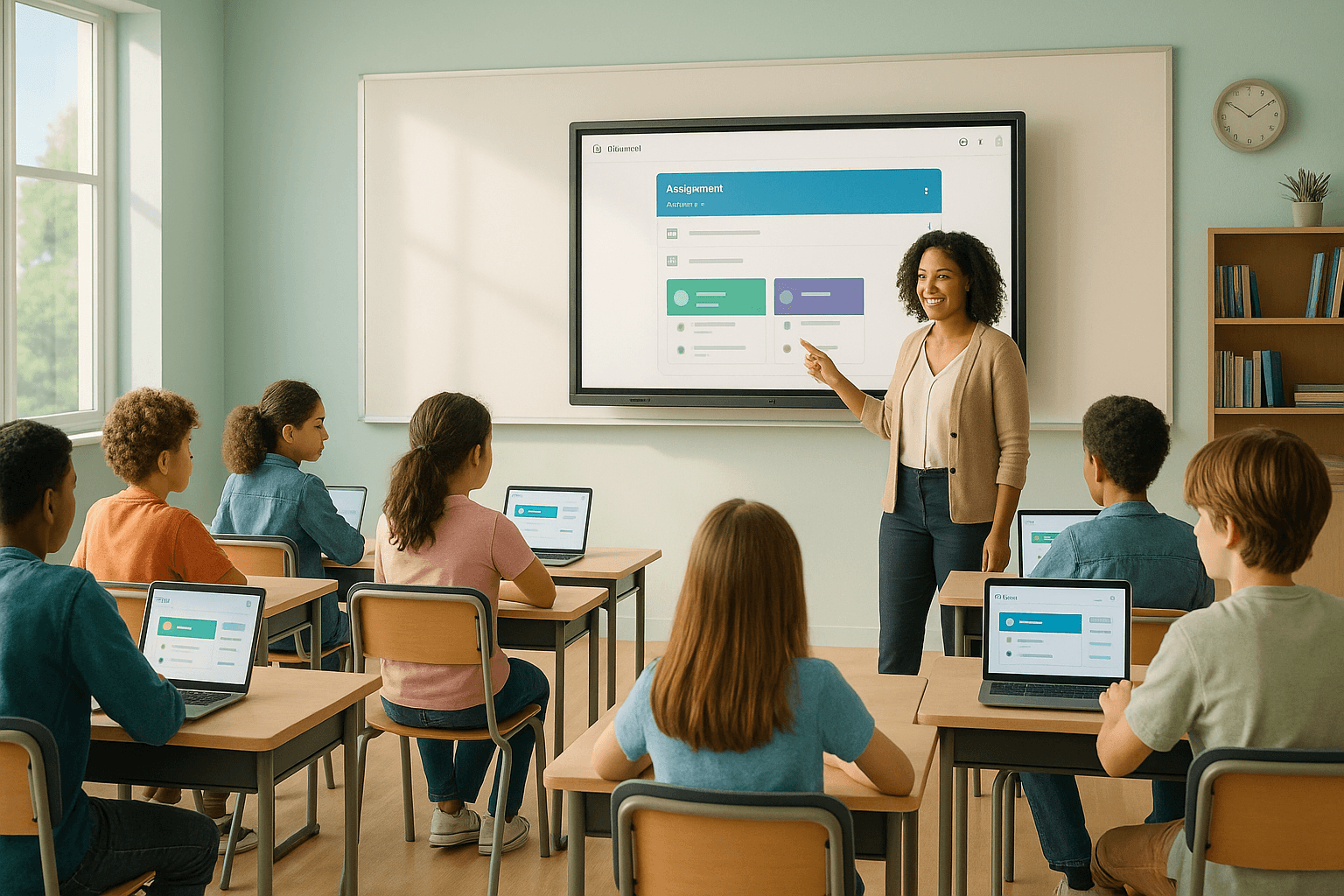
Digital Learning Day is an annual celebration that highlights effective technology integration in K-12 education. Observed on the last Wednesday of February, this event encourages educators to explore innovative teaching practices using digital tools. Schools across the country participate by showcasing student work, hosting professional development sessions, and reimagining how technology supports meaningful learning experiences.
The initiative began in 2012 through the Alliance for Excellent Education. It has grown into a movement that reaches millions of students and teachers. Rather than simply celebrating technology for its own sake, Digital Learning Day focuses on purposeful implementation that enhances student engagement and achievement.
Why Digital Learning Day Matters for Schools
Technology alone does not transform education, but thoughtful integration changes everything. Digital Learning Day provides a dedicated moment for schools to pause and evaluate their approach to educational technology. This reflection helps educators move beyond surface-level adoption toward practices that genuinely improve learning outcomes.
Research from the International Society for Technology in Education shows that students develop critical thinking skills more effectively when digital tools support inquiry-based learning. Digital Learning Day creates opportunities to model these practices. Teachers share successful strategies with colleagues, building collective capacity across entire school communities.
The event also addresses equity concerns. Many students lack consistent access to technology outside school walls. By highlighting digital learning, schools can identify gaps and advocate for resources that level the playing field. This awareness often leads to policy changes and funding decisions that benefit underserved populations.
Planning Digital Learning Day Activities
Successful celebrations require intentional planning that aligns with your school's broader goals. Start by assembling a planning team that includes teachers, administrators, students, and technology coordinators. This diverse group ensures activities reflect multiple perspectives and meet varied needs.
Classroom-Based Activities
Teachers can design lessons that showcase digital tools in authentic contexts. Consider these approaches:
The key is choosing activities that demonstrate how technology amplifies learning rather than replaces traditional methods. A well-designed digital project should accomplish something difficult or impossible without technology.
Professional Development Opportunities
Digital Learning Day offers ideal timing for teacher growth experiences. Schedule workshops during planning periods or after school. Focus on practical skills teachers can immediately apply in their classrooms.
Effective professional development sessions might explore formative assessment tools, accessibility features that support diverse learners, or strategies for managing device-rich classrooms. Invite teacher leaders to facilitate sessions, recognizing expertise that already exists within your building.
Consider organizing learning walks where educators visit classrooms to observe technology integration in action. These peer observations spark conversations about effective practices and build collaborative relationships.
Community Engagement Events
Opening your celebration to families strengthens home-school connections. Host an evening showcase where students demonstrate projects or lead workshops for parents. This reversal of traditional roles empowers learners while educating families about school initiatives.
Parent technology nights can address common concerns about screen time, digital citizenship, and online safety. Provide resources that help families support learning at home. Translate materials into languages spoken by your community to ensure broad participation.
Implementing Effective Digital Learning Strategies
Moving beyond a single day requires embedding digital learning into your school's culture. This transformation happens through consistent practices that prioritize student-centered approaches over tool-centered thinking.
Establishing Clear Learning Objectives
Technology should serve specific educational goals rather than drive them. Begin lesson planning by identifying what students need to learn, then select digital tools that support those objectives. This sequence prevents the common mistake of choosing flashy applications without clear purpose.
The SAMR model provides a useful framework for evaluating technology integration. Ask whether your digital tools simply substitute for analog methods, augment existing practices with improvements, modify tasks in significant ways, or redefine learning by enabling previously impossible activities. Aim for the higher levels when appropriate.
Supporting Digital Citizenship
Responsible technology use requires explicit instruction and ongoing reinforcement. Digital Learning Day provides opportunities to emphasize citizenship concepts including online privacy, information literacy, and respectful communication.
Students need practice evaluating sources, understanding digital footprints, and navigating social media responsibly. Integrate these lessons across subject areas rather than treating them as isolated topics. Real-world scenarios help learners apply principles to situations they actually encounter.
Model the behavior you expect from students. Demonstrate thoughtful technology use in your own practice. Discuss your decision-making process when choosing digital tools or evaluating online information.
Addressing the Digital Divide
Equity must remain central to digital learning initiatives. Some students have unlimited access to devices and connectivity while others struggle with basic access. This gap affects academic achievement and future opportunities.
Schools can take concrete steps to reduce disparities. Device lending programs ensure students can complete homework requiring technology. Partnerships with community organizations may provide internet access or after-school tech labs. Some districts have invested in mobile hotspots or worked with providers to expand affordable connectivity options.
Design assignments with equity in mind. Offer alternatives for students without home internet access. Provide in-school time for digital projects. These accommodations benefit all learners while supporting those facing resource constraints.
Digital Learning Day Ideas by Grade Level
Developmentally appropriate activities maximize engagement and learning outcomes. Consider these grade-specific approaches when planning your celebration.
Elementary School Activities
Young learners benefit from interactive, playful technology experiences. Digital drawing tools let students illustrate stories or document science observations. Simple coding platforms introduce logic and sequencing through game-like interfaces.
Virtual read-alouds can connect classrooms with authors or experts. Students might create digital thank-you cards for community helpers or record videos explaining math strategies. These activities build foundational digital skills while supporting core academic content.
Balance screen time with hands-on learning. Use technology to enhance rather than dominate the school day. Short, focused digital activities often prove more effective than extended sessions for younger students.
Middle School Opportunities
Adolescents can handle more complex digital projects that develop critical thinking. Collaborative research projects using shared documents teach teamwork and information literacy. Students might create podcasts exploring historical events or produce videos demonstrating scientific concepts.
Social media literacy becomes increasingly important during these years. Lessons examining how algorithms work or how to identify misinformation prepare students for digital citizenship. Discussions about online identity and digital wellness address developmental needs.
Encourage student voice through blogging, digital portfolios, or multimedia presentations. These platforms let learners share perspectives while developing communication skills valued beyond school.
High School Applications
Older students can engage with sophisticated digital tools that mirror professional environments. Data analysis software supports advanced mathematics and science courses. Digital design platforms enable creative expression in arts classes.
Project-based learning reaches new dimensions with technology. Students might develop apps addressing community needs, create documentary films exploring social issues, or build websites showcasing research findings. These authentic tasks prepare learners for college and career demands.
Virtual collaboration with students from other schools or countries expands perspectives. Global projects develop cultural competence alongside digital skills. These experiences often prove transformative for participants.
Measuring Digital Learning Impact
Assessment helps determine whether technology integration achieves intended outcomes. Move beyond counting devices or tracking usage hours toward evaluating actual learning gains.
Collect both quantitative and qualitative data. Student work samples reveal how digital tools support skill development. Surveys gather feedback from learners, teachers, and families about their experiences. Classroom observations document implementation quality.
Focus on meaningful indicators aligned with your goals. If you aim to increase student engagement, look for evidence of deeper participation and sustained attention. When targeting critical thinking, examine how students analyze information and solve problems using digital resources.
Share findings with stakeholders to build support for continued investment. Celebrate successes while honestly addressing challenges. This transparency strengthens trust and informs ongoing improvement efforts.
Sustaining Digital Learning Beyond One Day
The real work begins after Digital Learning Day concludes. Transform momentum from your celebration into lasting change through strategic planning and consistent support.
Building Teacher Capacity
Ongoing professional learning keeps educators current with evolving technology. Establish communities of practice where teachers share strategies and troubleshoot challenges. These peer networks often prove more valuable than one-time workshops.
Provide time for experimentation and reflection. Teachers need opportunities to try new tools, fail safely, and refine their approaches. Recognize that technology integration develops gradually through repeated practice.
Differentiate support based on teacher readiness. Some educators need basic device training while others seek advanced pedagogical applications. Personalized professional development respects individual starting points and growth trajectories.
Creating Supportive Infrastructure
Reliable technology infrastructure enables effective digital learning. Adequate bandwidth, functioning devices, and responsive technical support form the foundation. Without these elements, even well-designed lessons falter.
Develop clear processes for reporting and resolving technical issues. Quick response times minimize instructional disruptions. Regular maintenance prevents problems before they impact teaching and learning.
Plan for device refresh cycles and software updates. Technology becomes obsolete quickly. Budget accordingly to maintain current, functional tools that meet evolving needs.
Developing Coherent Policies
Clear guidelines help everyone understand expectations around technology use. Acceptable use policies should emphasize positive behaviors rather than simply listing prohibitions. Involve students in policy development to increase buy-in and relevance.
Address practical concerns including device care, internet filtering, and social media use. Balance safety with learning needs. Overly restrictive policies can limit educational opportunities while attempting to eliminate all risks.
Review policies regularly as technology and student needs evolve. What worked three years ago may no longer serve current circumstances. Gather input from multiple stakeholders during revision processes.
Overcoming Common Digital Learning Challenges
Every school faces obstacles when implementing digital learning initiatives. Anticipating these challenges helps you develop proactive solutions.
Managing Resistance to Change
Some educators feel overwhelmed by technology or question its educational value. These concerns deserve respectful attention rather than dismissal. Listen carefully to understand underlying worries.
Start small with willing early adopters. Success stories from trusted colleagues often persuade skeptics more effectively than administrative mandates. Celebrate incremental progress rather than demanding immediate transformation.
Acknowledge that technology integration requires additional effort initially. Provide extra support during transition periods. Recognize teachers who invest time learning new approaches.
Balancing Screen Time Concerns
Legitimate questions exist about appropriate technology use for developing children. Research suggests that content and context matter more than simple duration. Passive consumption differs significantly from active creation.
Design digital activities that promote interaction, creativity, and critical thinking. These experiences offer different benefits than recreational screen time. Help families understand these distinctions.
Encourage breaks from screens throughout the school day. Technology should complement rather than replace hands-on learning, physical activity, and face-to-face interaction. A balanced approach serves students best.
Ensuring Accessibility for All Learners
Digital tools can remove barriers for students with disabilities when designed thoughtfully. Screen readers, speech-to-text software, and customizable displays support diverse needs. Universal Design for Learning principles guide inclusive technology integration.
Evaluate digital resources for accessibility before adoption. Many popular tools lack features that students with disabilities require. Prioritize platforms that work for all learners.
Teach all students about accessibility features. Understanding these tools builds empathy and prepares everyone to support inclusive environments. Students without disabilities often benefit from features designed for accessibility.
Resources for Digital Learning Day Success
Numerous organizations provide free materials supporting Digital Learning Day celebrations. The official Digital Learning Day website offers planning guides, activity ideas, and promotional materials. These resources help schools get started regardless of experience level.
Professional organizations including ISTE and ASCD maintain extensive collections of digital learning resources. Their websites feature lesson plans, research summaries, and implementation frameworks. Many materials are freely available to educators.
Connect with other schools participating in Digital Learning Day through social media. Share ideas, ask questions, and learn from peers facing similar challenges. These networks provide ongoing support beyond the annual celebration.
Local education agencies often sponsor regional events or provide technical assistance. Reach out to your district technology department or curriculum office. They may offer resources, training, or funding to support your initiatives.
Looking Forward: The Future of Digital Learning
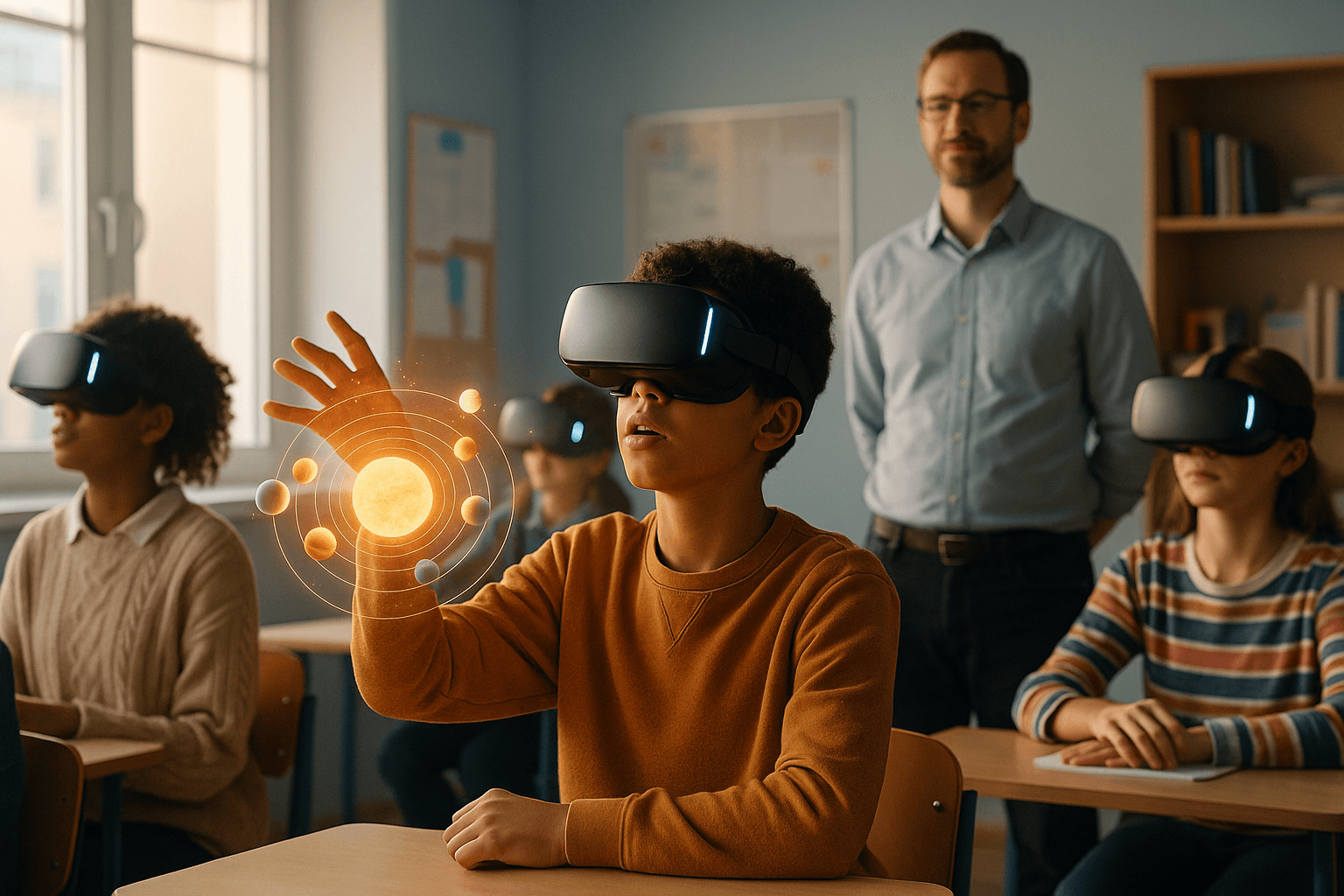
Technology will continue reshaping education in ways we cannot fully predict. Artificial intelligence, virtual reality, and other emerging tools promise new possibilities. The fundamental question remains constant: how do we use these resources to support meaningful learning?
Digital Learning Day reminds us to stay focused on student growth rather than technological novelty. The most sophisticated tools fail if they do not serve clear educational purposes. Conversely, simple applications can transform learning when applied thoughtfully.
As you plan your Digital Learning Day celebration, remember that you are part of a larger movement. Educators across the country are grappling with similar questions about technology integration. Your efforts contribute to collective understanding of how digital tools can enhance teaching and learning.
Start where you are with the resources you have. Perfect implementation is not required. What matters is taking intentional steps toward more effective, equitable, and engaging digital learning experiences for all students.