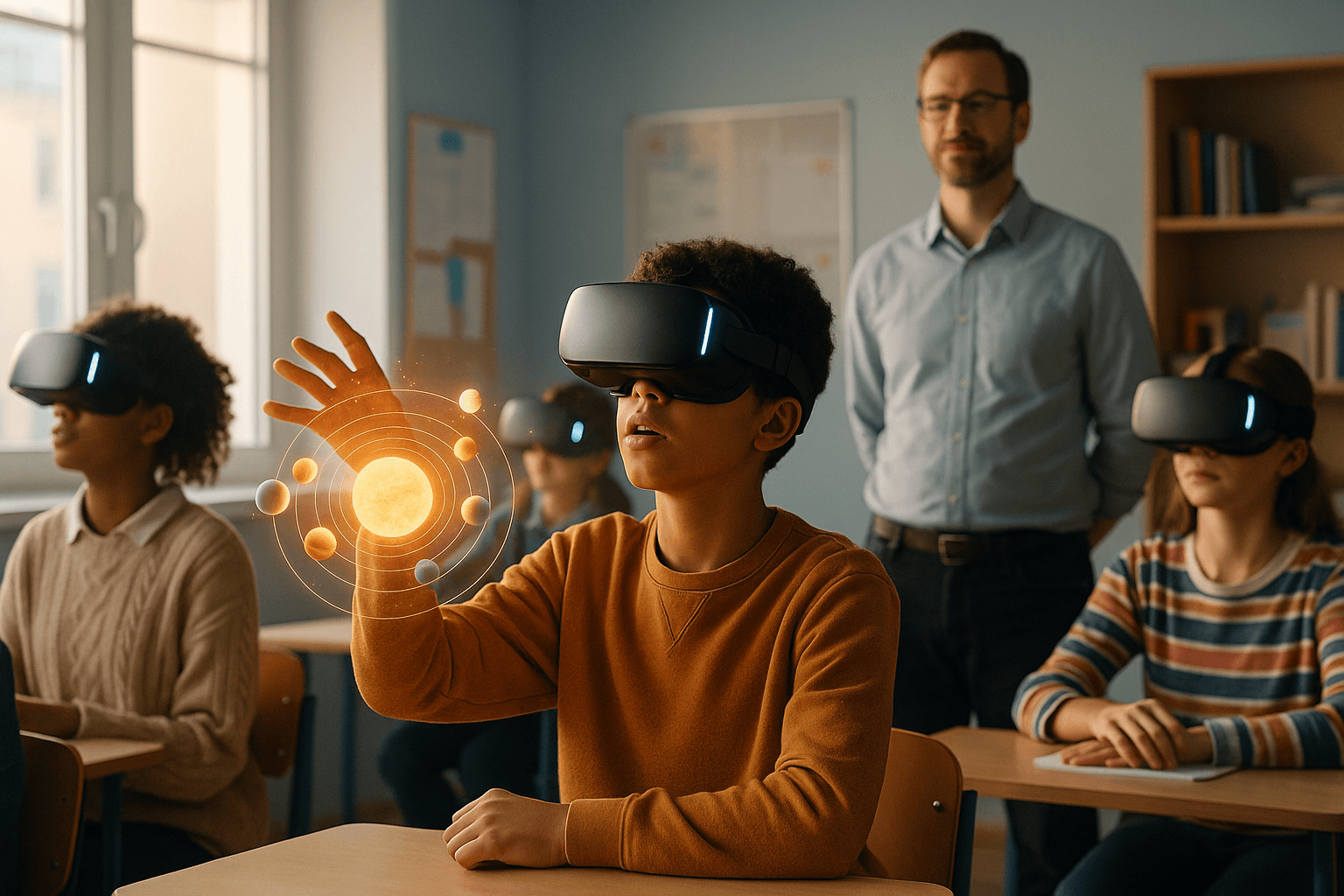


What Are After School Activities?
After school activities are structured or semi-structured programs that take place outside regular classroom hours, typically between 3 PM and 6 PM on weekdays. These programs extend learning beyond traditional academic instruction and provide students with opportunities to explore interests, develop skills, and build relationships in supportive environments. Research from the Afterschool Alliance shows that students who participate in quality after school programs demonstrate improved academic performance, better social skills, and increased engagement with school.
Why After School Programs Matter for Student Development
The hours after school represent a critical window for student growth. During this time, young people need safe spaces where they can decompress, explore, and connect with peers and mentors. Quality after school activities fill gaps that traditional classroom instruction cannot always address.
Students who participate in structured after school programs are 20% more likely to attend school regularly. They also show measurable gains in homework completion and classroom behavior. Beyond academics, these programs build executive function skills, emotional regulation, and social competence.
For working families, after school programs provide peace of mind. Parents know their children are supervised, engaged, and learning. For educators, these programs extend your influence and allow you to reach students in different contexts.
The Research Behind Effective Programming
Harvard Family Research Project identified five key elements that make after school activities effective: safe environments, supportive relationships, opportunities for skill building, integration with school-day learning, and family engagement. Programs that incorporate these elements show the strongest outcomes across academic and social-emotional measures.
Academic Enrichment After School Activity Ideas
Academic enrichment activities extend classroom learning without replicating the school day. The goal is to make learning feel different, engaging, and student-driven while still building essential skills.
Homework Help and Tutoring Clubs
Structured homework time with adult support helps students complete assignments and develop independent work habits. Effective programs pair students with trained tutors or volunteers who provide individualized attention. Consider creating subject-specific help sessions where students can drop in for math, reading, or writing support.
Cross-age tutoring, where older students help younger ones, benefits both groups. Tutors reinforce their own learning while developing leadership skills. Tutees receive personalized help from relatable role models.
STEM Clubs and Maker Spaces
Science, technology, engineering, and math activities spark curiosity and build problem-solving skills. Robotics clubs, coding workshops, and engineering challenges give students hands-on experience with real-world applications. Maker spaces equipped with basic tools, craft supplies, and recycled materials encourage creative experimentation.
These programs work best when students have agency over their projects. Instead of following rigid instructions, students identify problems they want to solve and iterate toward solutions.
Reading and Writing Workshops
Book clubs, creative writing groups, and storytelling circles build literacy skills in low-pressure settings. Students choose books that interest them and discuss themes, characters, and connections to their lives. Writing workshops allow students to experiment with different genres, from poetry to journalism to graphic novels.
Consider partnering with local libraries or inviting authors to visit. Real-world connections make literacy feel relevant and exciting.
Arts and Creative Expression Programs
Creative activities provide essential outlets for self-expression and emotional processing. Students who participate in arts programs show improved academic performance, higher self-esteem, and better social skills.
Visual Arts and Crafts
Painting, drawing, sculpture, and mixed media projects allow students to communicate ideas visually. Set up rotating art stations where students can explore different techniques and materials. Collaborative murals or community art projects build teamwork while beautifying school spaces.
Digital art programs introduce students to graphic design, animation, and photo editing. These skills connect to career pathways in media, marketing, and technology.
Music and Performing Arts
Choir, band, orchestra, and informal jam sessions build musical skills and cultural awareness. Students who cannot access private music lessons benefit enormously from school-based programs. Theater clubs, improv groups, and drama workshops develop confidence, public speaking skills, and emotional intelligence.
Performances give students goals to work toward and opportunities to showcase their growth. Consider hosting quarterly showcases where families and community members can celebrate student achievement.
Dance and Movement Programs
Dance classes ranging from hip-hop to ballet to cultural dance forms provide physical activity while building coordination and self-expression. Movement-based activities help students regulate emotions and release energy in healthy ways.
Sports and Physical Activity Options
Physical activity improves cognitive function, reduces stress, and builds lifelong health habits. After school sports programs should prioritize participation, skill development, and enjoyment over competition.
Intramural Sports Leagues
Basketball, soccer, volleyball, and flag football leagues provide structured physical activity without the pressure of varsity competition. Intramural programs work best when they emphasize fun, teamwork, and personal improvement. Rotate team compositions regularly so students play with different peers.
Individual Skill Development
Yoga, martial arts, running clubs, and fitness classes teach students to set personal goals and track progress. These activities appeal to students who prefer individual pursuits over team sports. They also build self-discipline and body awareness.
Outdoor Adventure and Recreation
Hiking clubs, gardening programs, and outdoor exploration activities connect students with nature. These programs reduce screen time, build environmental awareness, and provide physical challenges. Partner with local parks or conservation organizations to expand opportunities.
Social-Emotional Learning and Leadership Activities
Intentional social-emotional programming helps students develop self-awareness, relationship skills, and responsible decision-making. These competencies predict long-term success more reliably than test scores alone.
Student Government and Leadership Councils
Student-led organizations give young people voice and agency in school decisions. Leadership councils that plan events, address school issues, or manage budgets build civic engagement and organizational skills. Ensure diverse representation so all student voices are heard.
Service Learning and Community Projects
Volunteering, community clean-ups, and service projects connect students to their neighborhoods. These activities build empathy, social responsibility, and practical skills. Partner with local nonprofits to identify meaningful projects that address real community needs.
Peer Mentoring and Buddy Programs
Structured mentoring relationships between older and younger students build connection across grade levels. Mentors develop leadership and communication skills while mentees gain role models and support. Train mentors in active listening and conflict resolution.
Technology and Digital Literacy Programs
Digital skills are essential for academic success and career readiness. After school technology programs should balance skill-building with critical thinking about digital citizenship.
Coding and Computer Science Clubs
Programming clubs teach computational thinking and problem-solving through languages like Scratch, Python, or JavaScript. Game design projects and app development challenges motivate students to persist through difficult concepts. These programs demystify technology and broaden career awareness.
Digital Media and Content Creation
Podcasting, video production, and social media management clubs teach students to create and share content responsibly. Students learn technical skills while developing voice and perspective. School news programs or YouTube channels give students authentic audiences.
Cybersecurity and Digital Citizenship
Programs focused on online safety, privacy, and ethical technology use prepare students for digital life. Interactive workshops on identifying misinformation, protecting personal data, and navigating social media build critical digital literacy skills.
Cultural and Language Enrichment Activities
Programs celebrating diverse cultures and languages build inclusive communities and global awareness. These activities validate students' identities while exposing all learners to new perspectives.
World Language Clubs
Conversational language practice, cultural cooking classes, and film screenings immerse students in languages beyond classroom instruction. Heritage language programs support bilingual students in maintaining home languages. Language exchange partnerships with schools in other countries provide authentic communication opportunities.
Cultural Celebration and Heritage Programs
Activities exploring music, art, history, and traditions from different cultures build appreciation and understanding. Student-led cultural clubs allow young people to share their backgrounds and educate peers. Avoid superficial or stereotypical representations by centering student voice and lived experience.
Life Skills and Career Exploration Programs
Practical life skills programming prepares students for independence and career success. These activities connect learning to real-world applications students can immediately use.
Financial Literacy and Entrepreneurship
Budgeting workshops, investment simulations, and student business incubators teach money management and economic thinking. Students who understand compound interest, credit, and basic accounting make better financial decisions throughout life. Entrepreneurship projects where students create and sell products build business acumen.
Cooking and Nutrition Programs
Cooking clubs teach meal planning, food safety, and nutrition science. Students gain independence while learning to make healthy choices. Garden-to-table programs that grow, harvest, and prepare food provide integrated learning experiences across science, math, and health.
Career Exploration and Job Shadowing
Guest speaker series, workplace tours, and mentorship programs expose students to diverse career paths. Partner with local businesses and professionals to provide authentic experiences. Help students understand the educational pathways and skills required for careers that interest them.
Building Effective After School Programs
Strong programs require intentional planning, adequate resources, and ongoing evaluation. Consider these essential elements when designing or improving after school activities.
Staffing and Training
Quality programs depend on skilled, caring adults. Recruit teachers, paraprofessionals, community volunteers, and college students who bring diverse expertise. Provide training in youth development, classroom management, and activity facilitation. Maintain appropriate adult-to-student ratios to ensure safety and individualized attention.
Student Voice and Choice
Programs succeed when students have input into activities and structure. Survey students about their interests and needs. Offer diverse options so students can explore different activities throughout the year. Allow student leadership in planning and implementation.
Family Engagement and Communication
Keep families informed about program offerings, schedules, and student progress. Host family nights where parents can participate in activities alongside children. Address transportation and cost barriers that prevent participation. Build trust through consistent, respectful communication.
Space and Resources
Identify appropriate spaces for different activities, from gyms for sports to quiet rooms for homework help. Secure funding through grants, partnerships, and district allocations. Community organizations, local businesses, and parent groups often provide resources or expertise.
Assessment and Continuous Improvement
Track attendance, student engagement, and outcome data to understand program impact. Gather feedback from students, families, and staff regularly. Use data to refine activities, adjust schedules, and demonstrate value to stakeholders. Celebrate successes and learn from challenges.
Overcoming Common After School Program Challenges
Even well-designed programs face obstacles. Anticipating common challenges helps you develop proactive solutions.
Inconsistent Attendance
Students drop out when activities feel boring, too difficult, or irrelevant. Combat this by offering varied activities, differentiating instruction, and connecting programming to student interests. Build relationships so students feel known and valued. Recognize attendance and participation to reinforce commitment.
Behavior Management
After school hours present different behavioral challenges than classroom time. Students are tired, hungry, and need movement. Build in snack time, physical activity, and choice. Establish clear expectations and consistent routines. Focus on positive reinforcement rather than punitive approaches.
Limited Funding and Resources
Budget constraints require creativity. Leverage community partnerships, apply for grants, and recruit volunteers. Many engaging activities require minimal materials. Focus on relationship-rich programming rather than expensive equipment or supplies.
Transportation Barriers
Students cannot participate if they cannot get home safely. Coordinate with district transportation to provide late buses. Explore walking buses or carpools for nearby students. Consider offering programming at multiple sites to reduce travel needs.
Making After School Activities Inclusive and Accessible
Every student deserves access to enriching after school experiences. Intentional inclusion requires examining and removing barriers.
Supporting Students with Disabilities
Adapt activities so students with diverse abilities can participate meaningfully. Provide necessary accommodations and assistive technology. Train staff in inclusive practices and disability awareness. Partner with special education teachers to ensure appropriate support.
Addressing Economic Barriers
Cost should never prevent participation. Offer programs free or at sliding scale rates. Provide snacks to address food insecurity. Supply necessary materials and equipment so students do not need to purchase anything. Seek funding specifically designated for reducing economic barriers.
Creating Culturally Responsive Programming
Ensure activities reflect and honor the cultural backgrounds of your students. Recruit diverse staff who represent your community. Avoid programming that privileges dominant culture perspectives. Center student identity and experience in activity design.
The Long-Term Impact of Quality After School Programming
After school activities shape students' trajectories in profound ways. Longitudinal research shows that consistent participation in quality programs predicts high school graduation, college enrollment, and career success.
Beyond measurable outcomes, after school programs provide something harder to quantify but equally important: belonging. Students discover talents, build friendships, and connect with adults who believe in them. These experiences shape identity and possibility.
For many students, after school programs represent the difference between thriving and merely surviving. They transform the hours after the bell rings from risky, unstructured time into opportunities for growth, discovery, and joy.
As educators and school leaders, investing in after school programming is investing in whole-child development. These hours matter enormously, and the activities we offer during them shape the young people we serve.